What If You Decided How You Wanted to Show Up Before the Hard Moment Happened?
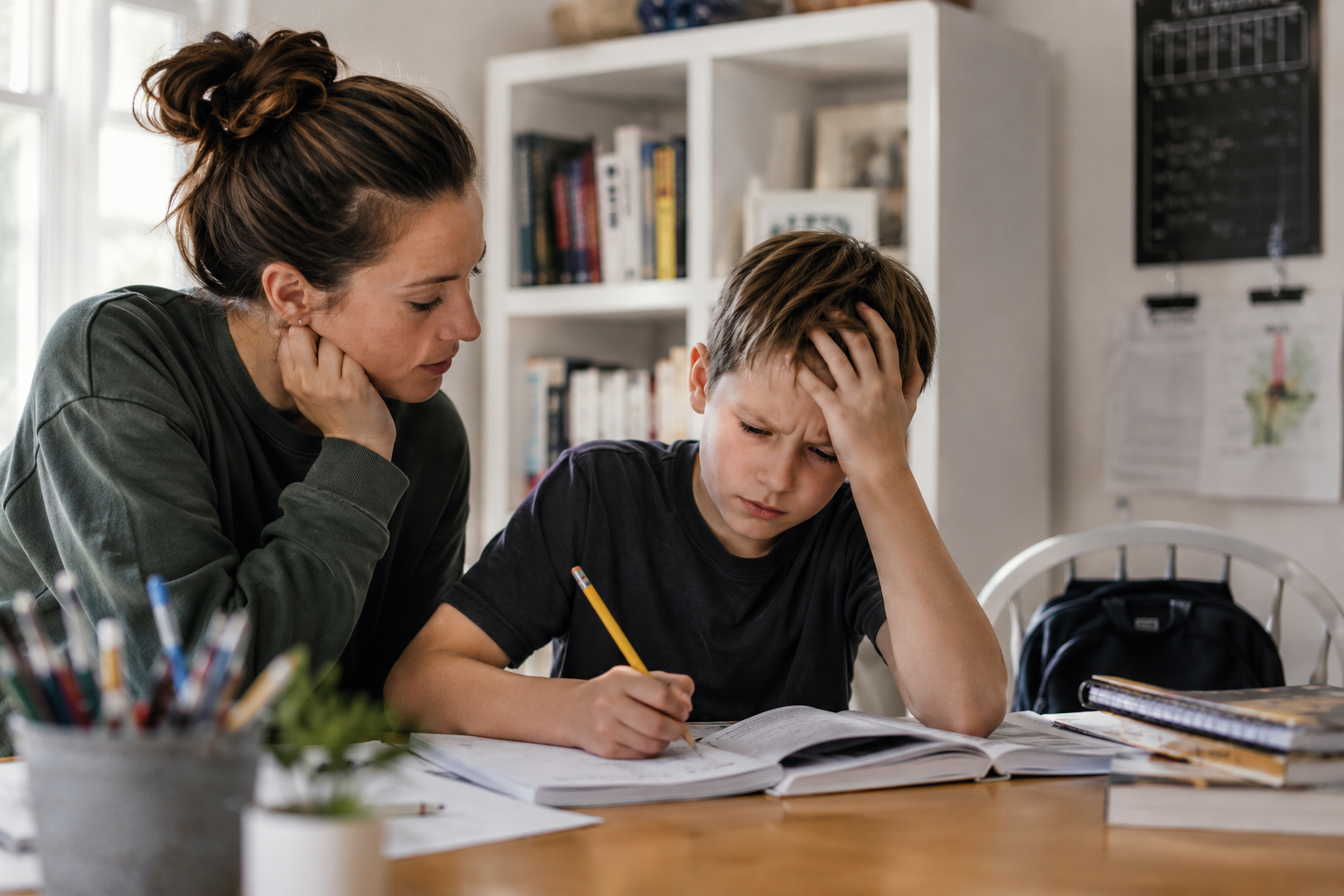
There are probably disruptive parts to your day with your child that you can predict before they even happen.
You know which demand is most likely to bring resistance. You know what happens when it's time to turn off the iPad. You know that going to fun places can go beautifully right up until the moment you say it's time to get in the car. You may even find yourself bracing before you've asked your child to do anything because you've lived some version of this moment enough times to know where it could go.
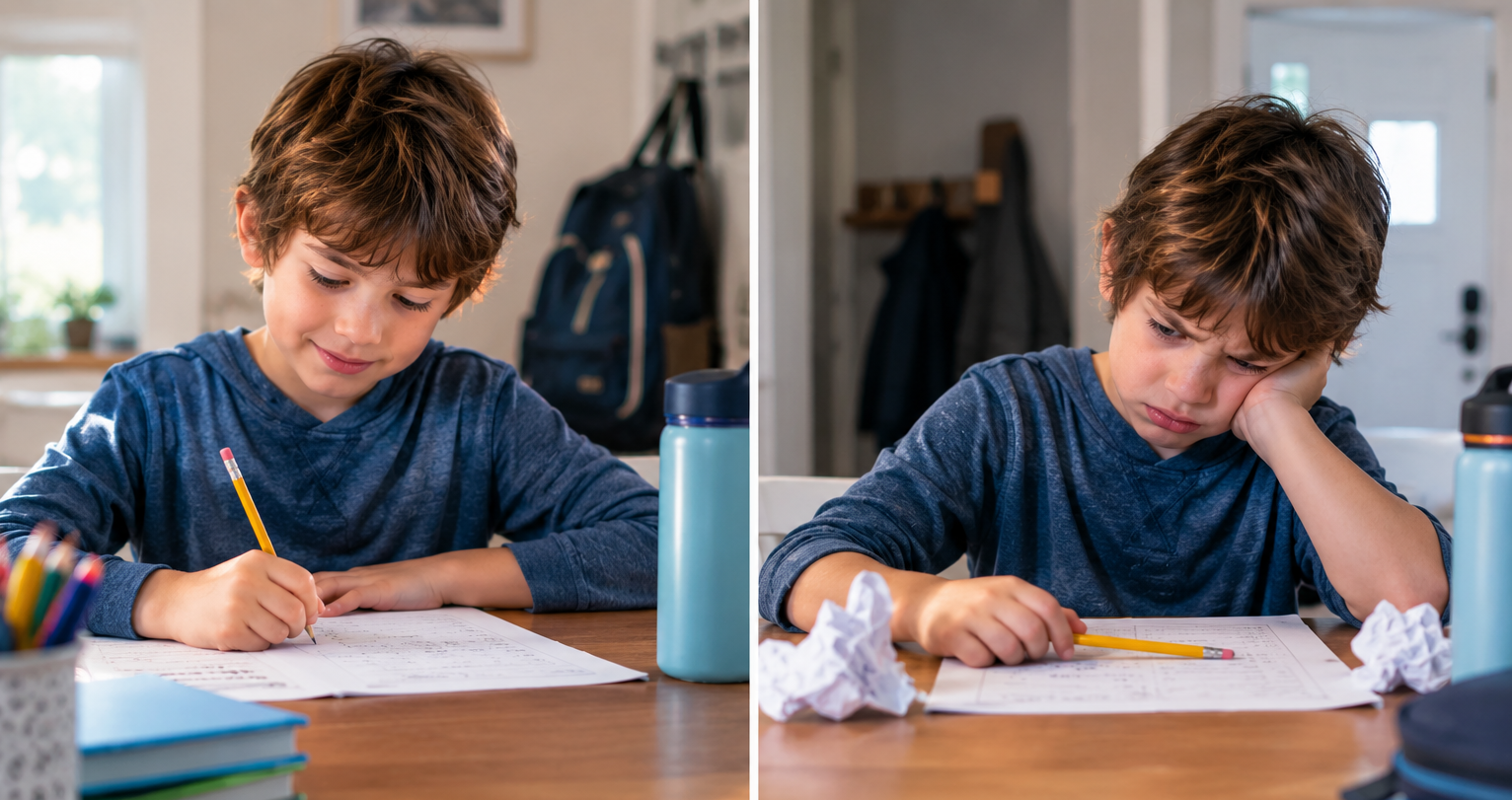
And when you expect something to be hard, it's natural to start thinking about what you want to happen. I need him to get through homework without melting down. I need her to stop whining when it’s time for her chores. I really don't want another fight about this today.
Those are understandable goals. But they all have something in common: their success depends, at least partly, on another person's behavior.
I've started thinking much more about what happens when we enter those same moments with an intention instead.
Goals and intentions aren't the same thing
Goals are useful. I have them in parenting, homeschooling, my work, and plenty of other areas of my life. But goals usually point us toward an outcome we're trying to reach.
We want to finish the homeschool lesson. We want everyone out the door by 9:00. We want our child to learn to speak respectfully when they're angry. We want bedtime to become easier. We want siblings to make it through playtime without fighting.
The difficulty comes when we unconsciously turn those outcomes into the measure of success.
If the lesson ended in a meltdown, I failed. If my child screamed when I held the boundary, I must have said it wrong. If they refused to get into the car, my approach didn't work. If I stayed calm and they still escalated, what was the point?
Parenting becomes especially frustrating when we're measuring ourselves by an outcome we don't actually control.
Your influence matters tremendously. You can teach, lead, structure the environment, hold boundaries, offer support, adjust expectations, protect safety, and build skills over time. But your child is still a separate human being with their own nervous system, thoughts, preferences, developmental capacities, emotions, and choices.
An intention brings your attention back to the part of the interaction that actually belongs to you.
Who do I want to be when this gets hard?
Imagine that you're about to start a lesson your child has been resisting all week.
You could walk into it focused almost entirely on getting through the work. You may already be watching for signs that your child is going to refuse, calculating how much you need to finish, and thinking about what you'll do if they won't cooperate.
Without realizing it, your nervous system may already be preparing for a battle that hasn't happened yet.
An intention changes the question.
Instead of wondering, How am I going to get through this lesson?, you begin deciding, How do I want to show up while we're doing it?
Maybe you want to remain curious when your child struggles instead of immediately assuming they're avoiding the work. Maybe you want to be flexible enough to notice when something genuinely isn't working. Maybe you want to lead confidently without becoming controlling. Maybe you want to remember that your child's frustration isn't evidence that you're doing something wrong.
The intention doesn't tell you exactly what will happen. It doesn't guarantee cooperation. It doesn't make your child suddenly love long division.
What it can do is give you somewhere to return when the moment becomes difficult.
Because the hard moment changes us, too
It's much easier to imagine the parent we want to be when everyone is regulated.
Most of us aren't standing in the kitchen alone thinking, You know what I really want to do today? Lose my patience over handwriting.
The difficulty is that your child's behavior affects you.
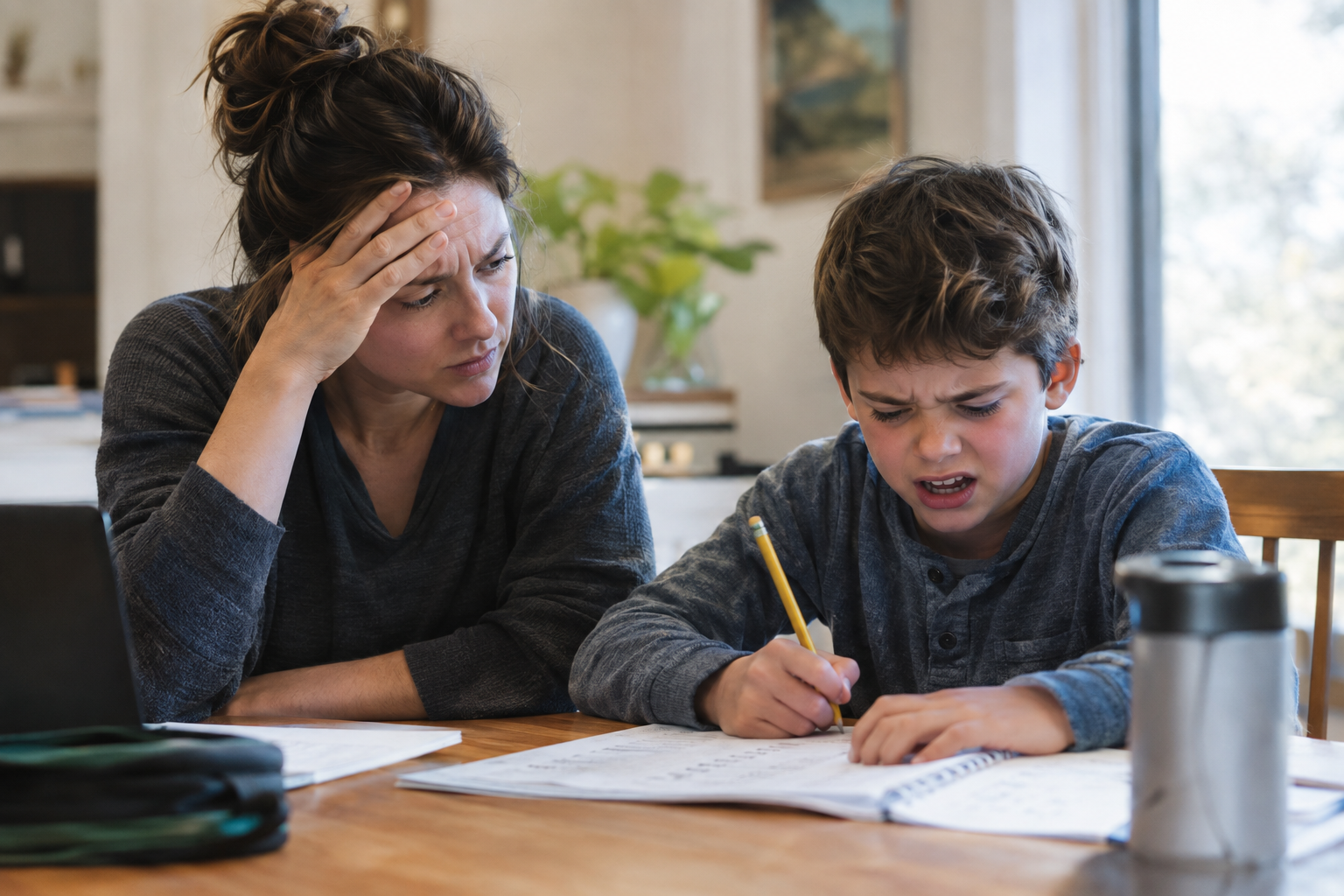
When your child rolls their eyes after you've explained something for the third time, refuses the request you were sure was reasonable, screams that they hate homeschool, or falls apart over something that seems incredibly small, your nervous system is receiving information too.
Your own history, fears, expectations, beliefs about respect, worries about your child's future, and even what else has happened that morning can suddenly become part of the interaction.
You aren't responding from a parenting book. You're responding as a human being inside a relationship with another human being.
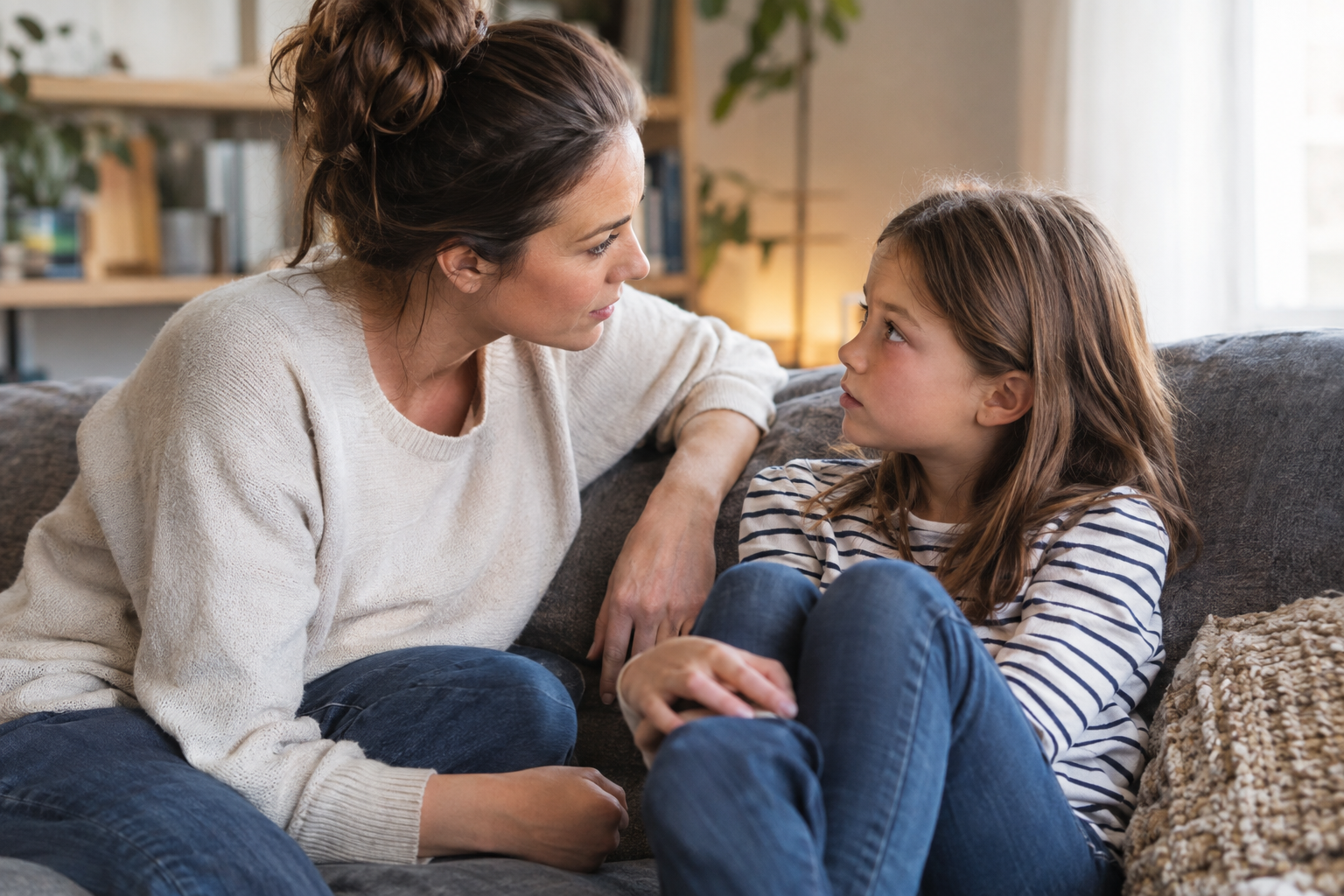
That's one reason intention can be so powerful. You're making a decision about how you want to participate in the relationship before you're relying on your most activated self to figure it out.
That doesn't mean you'll always do it.
You won't.
Neither will I.
But there's a meaningful difference between expecting yourself to magically respond well in every difficult moment and having already spent time considering the kind of parent you want to practice becoming.
Intention gives you another way to measure the moment
This has changed the way I think about success in parenting.
If my only measure is my child's response, I can do something I'm genuinely proud of and still decide I failed because my child remained upset.
Maybe I listened. Maybe I stayed grounded. Maybe I held a boundary that needed to be held without shaming or threatening. Maybe I noticed that what looked like defiance was actually overwhelm and changed the task.
Maybe I realized safety required me to intervene immediately and did that calmly and confidently.
My child still might not like what happened.
They may cry. They may be angry with me. They may need more time than I wish they needed. They may not make the choice I hoped they'd make.
An intention lets me ask a different set of questions afterward.
Did I show up in a way that aligned with the parent I want to be? Did I stay connected to what mattered to me even when the interaction became uncomfortable? When I got pulled away from that, did I notice? Could I repair?
That creates room for accountability without requiring perfection.
Because setting an intention isn't promising yourself that you'll never yell again, never become triggered, or always know exactly what your child needs. If we turn intentions into another standard we can fail, we've missed what makes them useful.
They're a direction.
You don't have to wait for the hard moment to decide
So much of parenting can feel reactive, especially when you're homeschooling a child with big behaviors and emotions. You're solving the problem in front of you while also trying to teach, feed people, answer questions, manage transitions, regulate yourself, support your child, and somehow remember where somebody put the math book.
It makes sense that we fall into automatic patterns.
But we don't have to leave every decision about who we want to be until the moment we're already overwhelmed.
Before the homework starts, before you leave for co-op, before you tell your child screen time is over, before you walk into a part of the day that regularly stretches both of you, you can begin thinking about the part of that interaction that actually belongs to you.
Not How do I make sure this goes well?
But How do I want to show up, even if it doesn't?
Your child will still have their own experience. You will still have yours. There will still be moments you handle beautifully and moments you wish you could redo.
But over time, those small decisions about how you want to participate in the relationship begin to shape something much bigger than a single difficult homeschool day.
They begin to shape the parent you're becoming.