When Your Child Needs You and Everything in You Wants Space
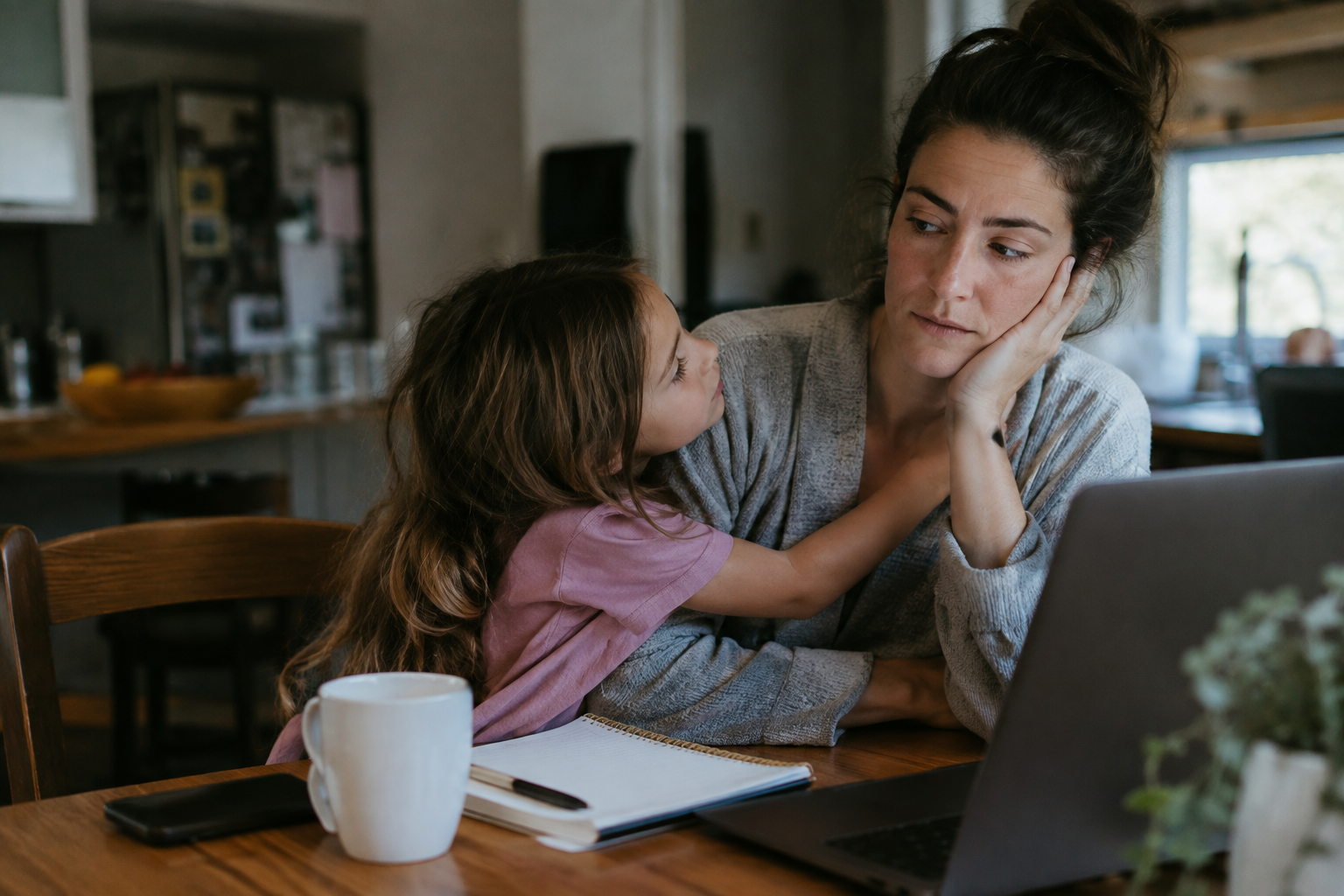
You love your child. You like being with them. You want them to know they can come to you when they need help.
And also...
Sometimes you would really, really like them to need you a little less.
They want you to sit beside them while they do something you know they're capable of doing. They follow you into the kitchen while you're trying to make lunch because they need to tell you one more thing. They call you back after you've tucked them into bed. They want help solving a problem you know they could probably figure out. They have another enormous feeling about something that seems very small to you, and you can feel yourself thinking, I cannot do this again.
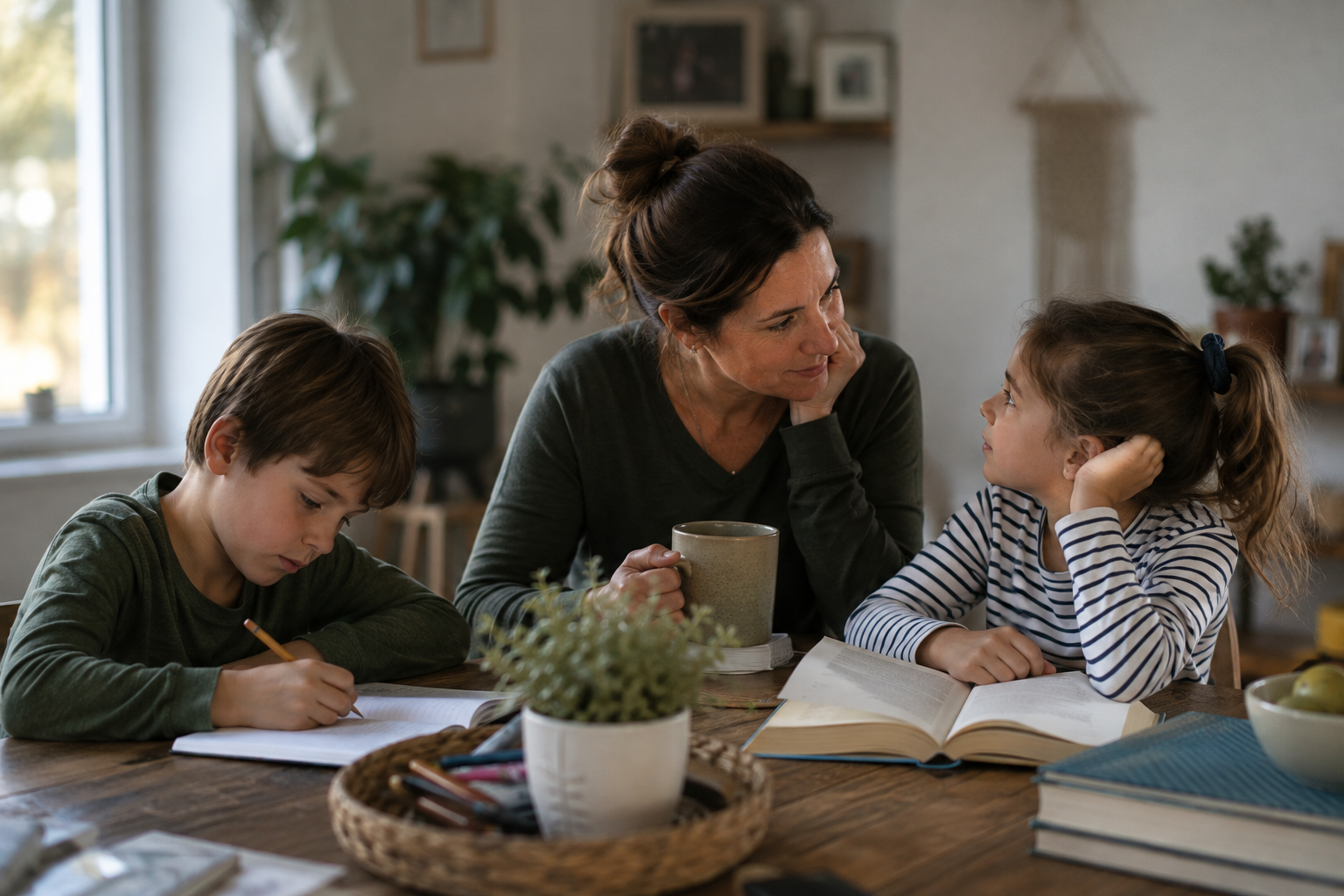
If you're homeschooling a child with big behaviors and emotions, this can feel especially relentless because there often isn't much natural separation in your day. You're their parent, their teacher, the person helping them regulate, the one working through sibling conflict, the one they find when something feels hard...and sometimes it feels like there is always someone needing something from you.
So when you hear yourself thinking, Why do you need me for EVERYTHING?, I'm not interested in making you feel guilty for it.
I'm interested in getting curious about it.
When being needed starts to feel like too much
Sometimes our children really do ask more of us than we have available in that moment. Parents have needs too. You need quiet. You need space. You need to finish making dinner without answering seventeen questions. You may need a break after spending an hour helping your child through a meltdown.
Secure attachment doesn't require you to be endlessly available or to abandon your own needs every time your child has one.
But there can be another layer here that's worth noticing.
Some of us become particularly uncomfortable when our children depend on us in ways we think they should have outgrown.
You're nine. You can do this yourself.
You know how to calm down.
You don't need me to sit here.
Why are we still talking about this?
You're okay.
Sometimes we're accurately recognizing a skill our child is capable of using.
And sometimes we may be bumping into our own discomfort with being needed.
That's where attachment can give us a really interesting lens.
We learned something about needing people, too
When we talk about attachment, we're really talking about what we learned through relationships.
Some people grew up with caregivers who were comfortable with emotions, closeness, comfort and dependence. Their needs could be expressed and responded to. They could move toward their caregiver when they needed support and gradually move away again when they felt ready.
That's part of what we see in secure attachment.
But some of us learned something different.
Maybe strong emotions weren't particularly welcome in your family. Maybe you were praised for being mature, easy or independent. Maybe the adults around you were uncomfortable with vulnerability or weren't emotionally available themselves. Maybe you learned to handle things on your own because asking for help didn't reliably result in connection.
You may not even look back on your childhood and think anything was particularly wrong. You may simply think, That's just how we were. We weren't an emotional family.
And you adapted.
You learned how to keep going. You became independent. Maybe you're good in a crisis. Maybe you don't need a lot from other people. You give people space and don't hover. You may be very capable of looking at a difficult situation logically and figuring out what needs to happen next.
There are strengths in that.
But those same adaptations can sometimes make another person's dependence or emotional intensity uncomfortable.
This is one way insecure avoidant attachment patterns can show up in parenting, not necessarily as a parent who doesn't love or care about their child, but as a parent whose system has become very comfortable with independence and much less comfortable with need.
And then you get handed a child who needs you A LOT.
“They're too needy” may be worth getting curious about
Maybe your child follows you everywhere.
Maybe they want you beside them during school even though you know they can read the directions themselves.
Maybe they get overwhelmed and can't seem to access all those coping skills you've practiced unless you're there helping them.
Maybe they're eleven and still want you nearby when they're upset.
Or maybe every feeling seems to require a conversation, and by 3:00 you're thinking, Can we please just move on?
It's easy to start viewing the need itself as the problem.
They're clingy. They're too dependent. They're being dramatic. They need to learn to self-soothe. They need to be more independent.
And sometimes children absolutely do need support developing skills they can eventually use more independently.
But there's a question I think is worth asking before we rush them there:
Is my child actually ready to carry this without me, or am I uncomfortable that they still need me?
Those are two very different things.
A child can technically know how to do something and still need support accessing that skill when they're tired, frustrated, overwhelmed or dysregulated.
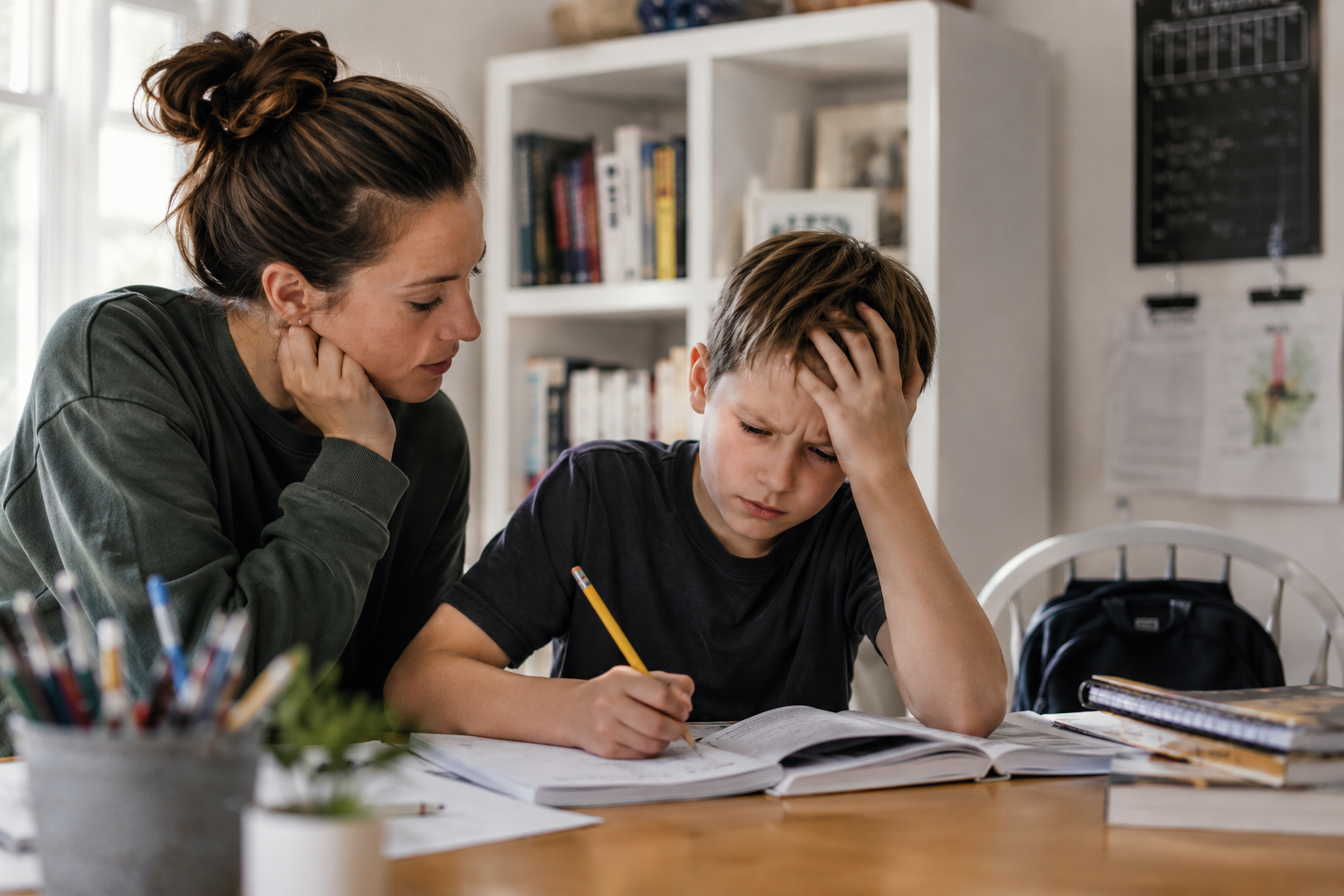
Your nine-year-old may absolutely know how to complete their math independently. That doesn't mean their request for you to sit nearby is automatically manipulation or unnecessary dependence.
Your child may know several ways to calm their body. That doesn't mean they will always be able to access them without another regulated person nearby.
And honestly, this doesn't end when childhood does. Adults still call friends. We still ask our spouses to sit with us when something hurts. We still need reassurance. We still sometimes know exactly what to do and find that doing it feels easier with someone beside us.
Healthy independence was never supposed to mean I don't need anybody.
We can accidentally hurry children toward independence
This is where I think things can get particularly interesting for parents.
Independence sounds like an unquestionably good goal.
We want children who can solve problems, manage responsibilities, advocate for themselves, regulate their emotions, make decisions and eventually function without us managing their lives.
Of course we do.
But sometimes, without realizing it, we start measuring progress by how little our child needs us.
They did the whole lesson without me.
They finally stopped coming out of their room every time they were upset.
They didn't cry when I left.
They handled it themselves.
Again, any one of those things could represent healthy growth.
But the question is whether our child is becoming more independent because they feel increasingly capable or because they've learned that needing someone is unwelcome.
Those can look surprisingly similar from the outside.
Secure attachment gives children room for both dependence and independence. They can move out into the world, try things, struggle, develop competence and discover, I can do this.
And they can come back.
I need help.
I'm overwhelmed.
Can you stay?
I don't know what to do.
The eventual goal isn't a person who never needs another person. It's someone who can trust themselves and participate in relationships where people can depend on one another.
But what about when I genuinely need space?
is important, because I don't want this conversation to turn into one more message telling parents, especially mothers that if their child needs something, they should somehow find more of themselves to give.
That's not secure attachment either.
One of the things we see in secure attachment is the ability to recognize that both people in the relationship have needs.
Your child may need connection.
You may need ten minutes without someone touching you.
Your child may want you beside them for every math problem.
You may know that you cannot sit there for the next forty-five minutes.
Your child may desperately want to process what happened right now.
You may be too activated yourself to have that conversation well.
Both experiences matter.
Secure attachment doesn't require you to erase yourself so your child never experiences disappointment, waiting or separation. In fact, part of healthy relationship is learning that another person can love us deeply and still have boundaries, limitations and needs of their own.
The difference is that we don't have to make our child's need wrong in order to honor ours.
Maybe you can't sit through the entire assignment, but you can help them get started and check back.
Maybe you genuinely need space after a hard interaction, and you can communicate that rather than shutting down or disappearing emotionally.
Maybe you can't listen to the entire Minecraft story while you're trying to get everyone out the door, but their desire to tell you about it doesn't have to become annoying or ridiculous simply because this isn't a good time.
Sometimes the answer really is, I need some space right now.
And sometimes the deeper work is noticing how quickly we want space whenever someone else's emotions, dependence or vulnerability gets close to us.
You don't need to diagnose yourself
I don't want you finishing this article wondering, Oh no. Do I have avoidant attachment? Did I give my child avoidant attachment?
That's not particularly useful.
Attachment patterns aren't character judgments, and individual behaviors don't diagnose an attachment style.
A child who wants to be alone after a meltdown may need sensory space. A child who doesn't want a hug may simply not want to be touched. Neurodivergence, temperament, development, stress and the context of the moment all matter.
What is useful is noticing patterns.
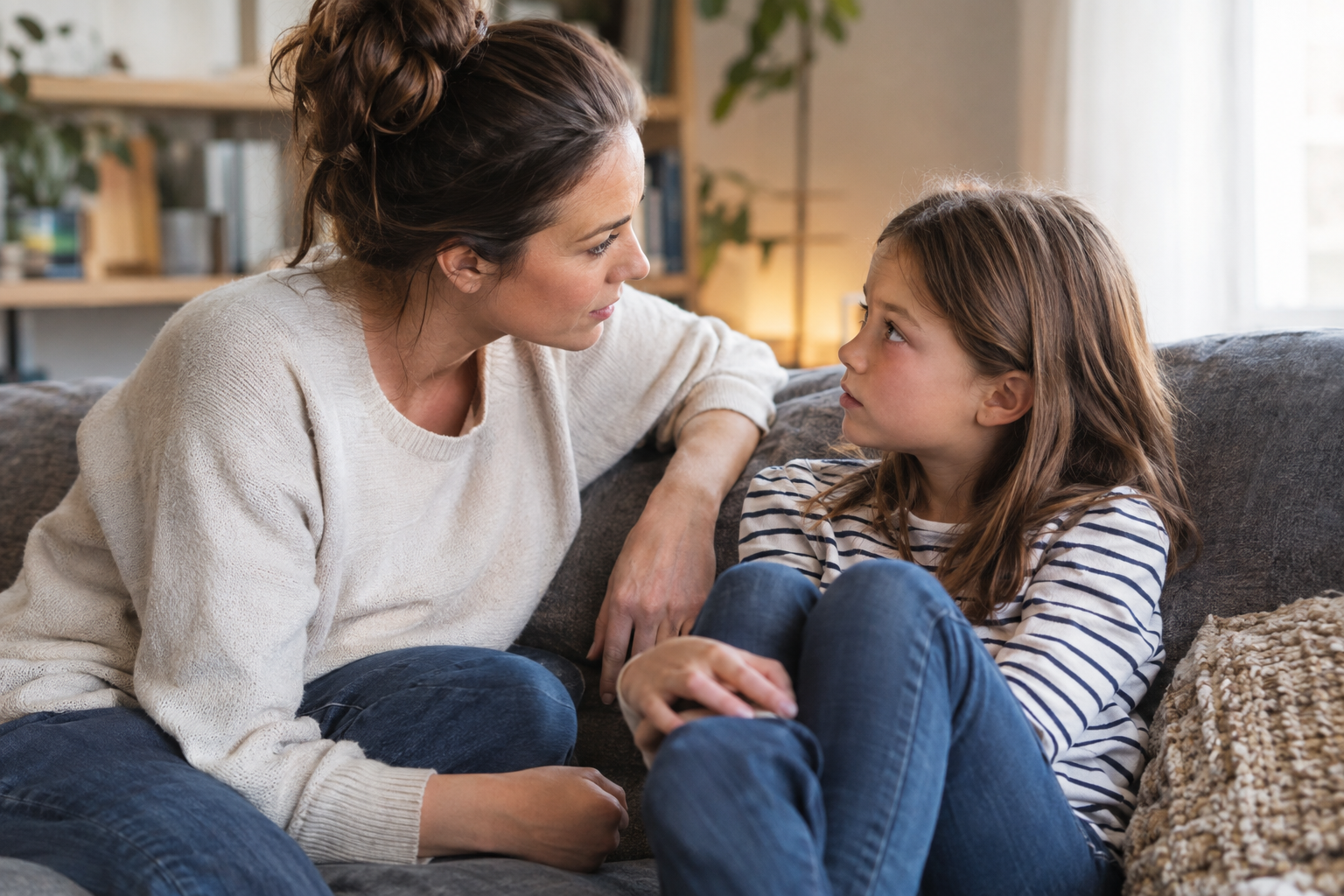
What happens inside you when your child needs comfort?
What happens when they need more help than you think they should?
Do you find yourself quickly moving toward logic, fixing or positivity when emotions become uncomfortable?
Does your child's dependence sometimes feel suffocating?
Do you feel an urgency to teach them to handle things on their own?
And maybe most importantly:
Is there room in your relationship for your child to need you without that need becoming something they have to outgrow as quickly as possible?
Because secure attachment isn't raising a child who never needs you.
It's helping them experience enough safety in relationship that they can venture farther and farther out into their own lives knowing that connection is still available when they need to come back.
And for some of us, creating that kind of relationship with our children may also mean learning something we didn't fully learn ourselves:
There’s nothing wrong with needing, or even wanting, people. Needing people is part of being human.