How and When to File a Florida Homeschool Letter of Intent (LOI)
If you are getting ready to homeschool in Florida, one of the first questions you may have is:
“Do I need to tell my school district?”
“When do I file a Letter of Intent?”
“Where do I send it?”
If you are establishing a Florida home education program, you do need to notify your local school district.
But the process is much simpler than many parents expect.
What is a Letter of Intent?
A Letter of Intent is the written notice you provide to your local school district stating that you intend to establish and maintain a home education program.
Florida Statute 1002.41 requires the notice to be:
- In writing
- Signed by the parent
- Submitted to the superintendent of the county where you live
- Include the full legal names, addresses, and birthdates of the children who will be enrolled in the home education program
The district must accept the notice and register the home education program when it receives it.
When do I need to file my Letter of Intent?
Florida law says the notice must be filed within 30 days of establishing the home education program.
You do not need to wait until the beginning of a traditional school year.
If you decide to begin homeschooling during the year, the same 30-day requirement applies.
Once the district receives your notice, the district registers your home education program.
Where do I send the Letter of Intent?
Your Letter of Intent goes to the school district where you reside, not to the Florida Department of Education.
The Florida Department of Education specifically directs families to contact their local district home education office for Letters of Intent and other home education records.
Each district may provide its own form or instructions for submitting the notice. For example, Miami-Dade County Public Schools provides an optional Home Education Program Notice of Intent form. While you can send a written letter, the Letter of Intent can be as simple as an email with the required information or completed template such as the one we provide here.
What happens after I file the Letter of Intent?
Once the district receives your Letter of Intent, you will be notified with confirmation of that record, and your home education program is registered with the district.
From there, Florida's home education requirements include maintaining your portfolio and completing an annual educational evaluation.
Your portfolio is your family's educational record. Florida law requires it to include a contemporaneous log of educational activities and reading materials, along with samples of writings, worksheets, workbooks, or creative materials used or developed by your child. The parent determines the portfolio's content and must preserve it for two years.
What if I have a PEP scholarship?
This is where things can get confusing.
PEP is not a Florida home education program.
PEP students are registered with a Scholarship Funding Organization rather than with their local school district. Florida Department of Education guidance specifically states that PEP is distinct from the home education program established under Florida Statute 1002.41.
If your child receives PEP funding, you should not file a Letter of Intent to establish a home education program. If you were previously registered as a home education student and then receive PEP funding, Step Up For Students says you must terminate the home education program and/or withdraw from public/private schooling in order to receive your scholarship funding.
This distinction is important because your annual requirements change depending on which educational option you are using.
What about FES-UA?
FES-UA is different from PEP.
A child receiving the Family Empowerment Scholarship for Students with Unique Abilities (FES-UA) may participate through a Florida home education program. The current FES-UA handbook specifically lists a home education program as one of the options that can satisfy the state's regular school attendance requirement, provided the parent has filed a Letter of Intent with the local district.
So, if your child has FES-UA and is participating as a home education student, you will file a letter of intent with your district.
A little about the work I do
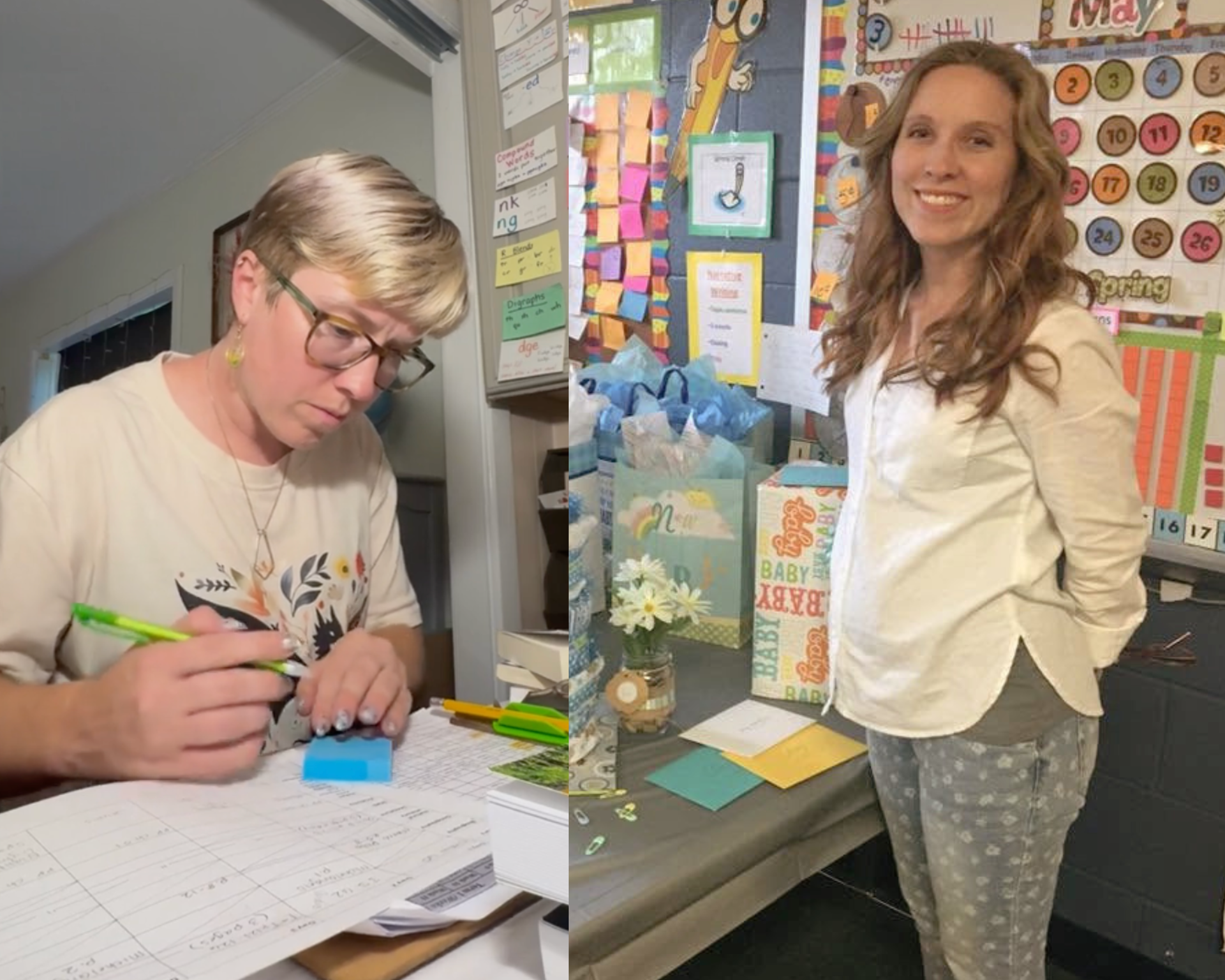
I'm Amy, a Florida-certified teacher, parenting coach, and former special education teacher with more than 15 years of experience working with children.
Through The Empowered Parent, I provide Florida homeschool evaluations and also support homeschool families navigating big emotions, challenging behaviors, motivation struggles, and learning differences.
I work with families throughout Florida virtually, so you do not have to find an evaluator in your own county.
My goal with evaluations is to make the process clear and manageable while respecting the fact that every homeschool and every child looks different.
What should I do first?
If you are establishing a Florida home education program, start by contacting your local school district's home education office and submitting your Letter of Intent within 30 days of beginning your home education program. You can download a template here.
Then, make sure you understand the portfolio and annual evaluation requirements so you are not scrambling at the end of the year.
If you are unsure whether your child is considered a home education student, PEP student, or FES-UA student participating through home education, that distinction is worth sorting out before you file paperwork.
You can explore my Florida homeschool evaluation resources here.
And if you are already enrolled in a Florida home education program and need an evaluator, you can learn more about my virtual homeschool evaluations here:
https://www.theempoweredparent.us/homeschool-evaluations