5 Signs It's Time to Get Personalized Help With Your Child's Behavior

You've read the parenting books, watched the videos, tried offering choices, adjusted your expectations, and practiced staying calm.
And yet, here you are, dealing with the same behavior again.
You know your child's behavior is communicating something. You want to understand what's happening and respond in a way that supports your child while maintaining the boundaries and expectations your family needs.
But knowing that behavior is communication doesn't automatically tell you what to do when your child is screaming because it's time to leave, refusing to begin homeschool lessons, or saying something incredibly hurtful because you've held a boundary.
These are the kinds of situations I help families navigate every day. And if you've been wondering whether your child's behavior warrants personalized support, I want to share five real experiences from families I've worked with.
1. Everyday Transitions Turn Into Major Meltdowns
I worked with a family whose toddler had a very strong desire for independence. She wanted to do things herself, make her own decisions, and have a say in what happened throughout her day. But when it was time to move on from something she enjoyed, transitions became difficult. Her family was trying to respect her growing independence while still getting through the everyday responsibilities of family life.
Maybe you've experienced something similar. It's time to get dressed, leave the playground, get into the car, or turn off a favorite show. You've given a warning, offered a choice, and explained what's happening next, but your child still screams, cries, drops to the floor, or refuses to move. Suddenly, a simple transition has taken 20 minutes, and you're wondering how something so ordinary became so difficult.
When this happens throughout your day, you start anticipating your child's reaction before you even announce the next activity. You find yourself negotiating, delaying plans, or trying to avoid another meltdown. You want to respect your child's independence, but you also need to be able to lead your family through the day.
2. Homeschool Mornings Have Become a Daily Battle
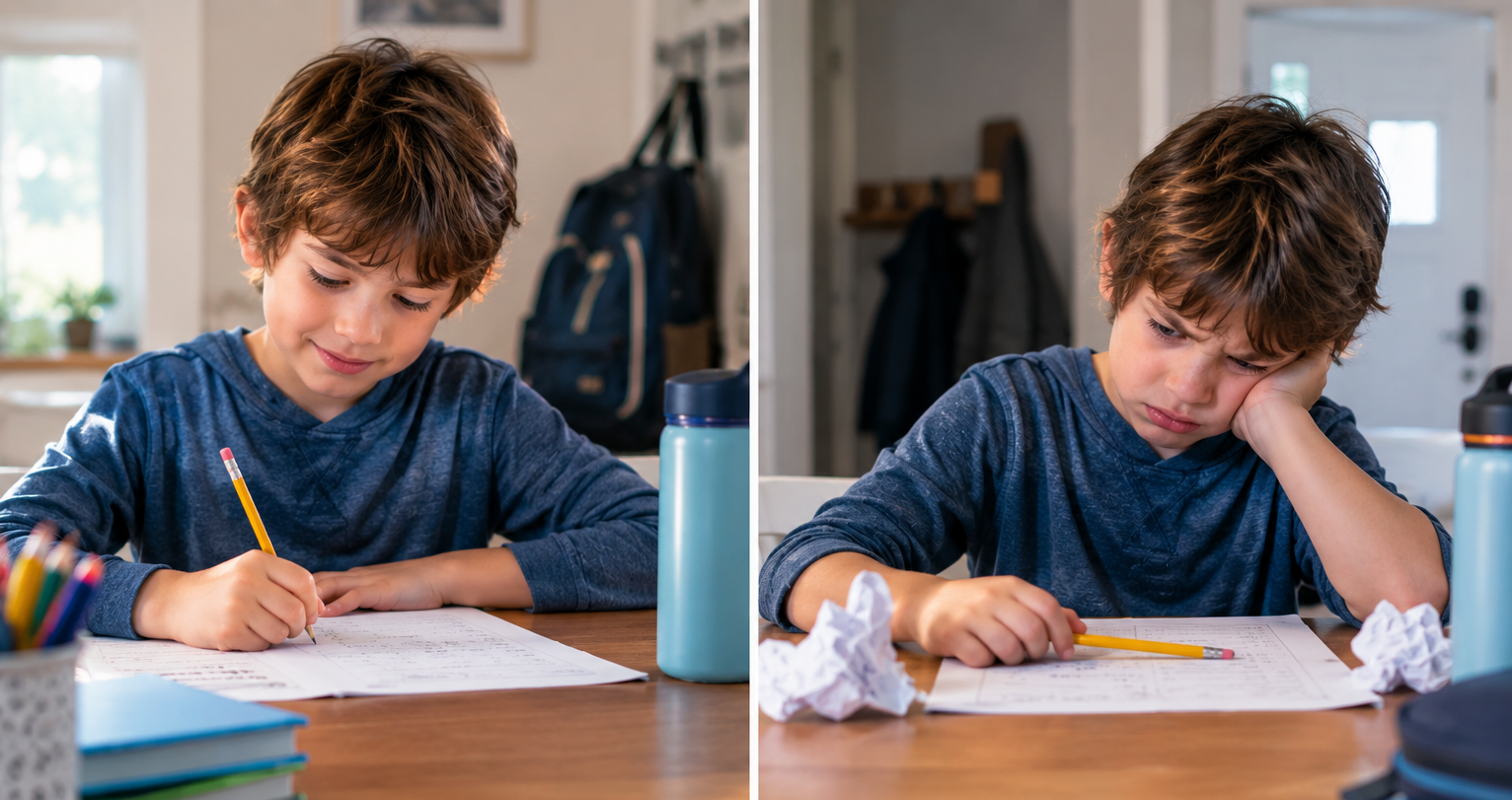
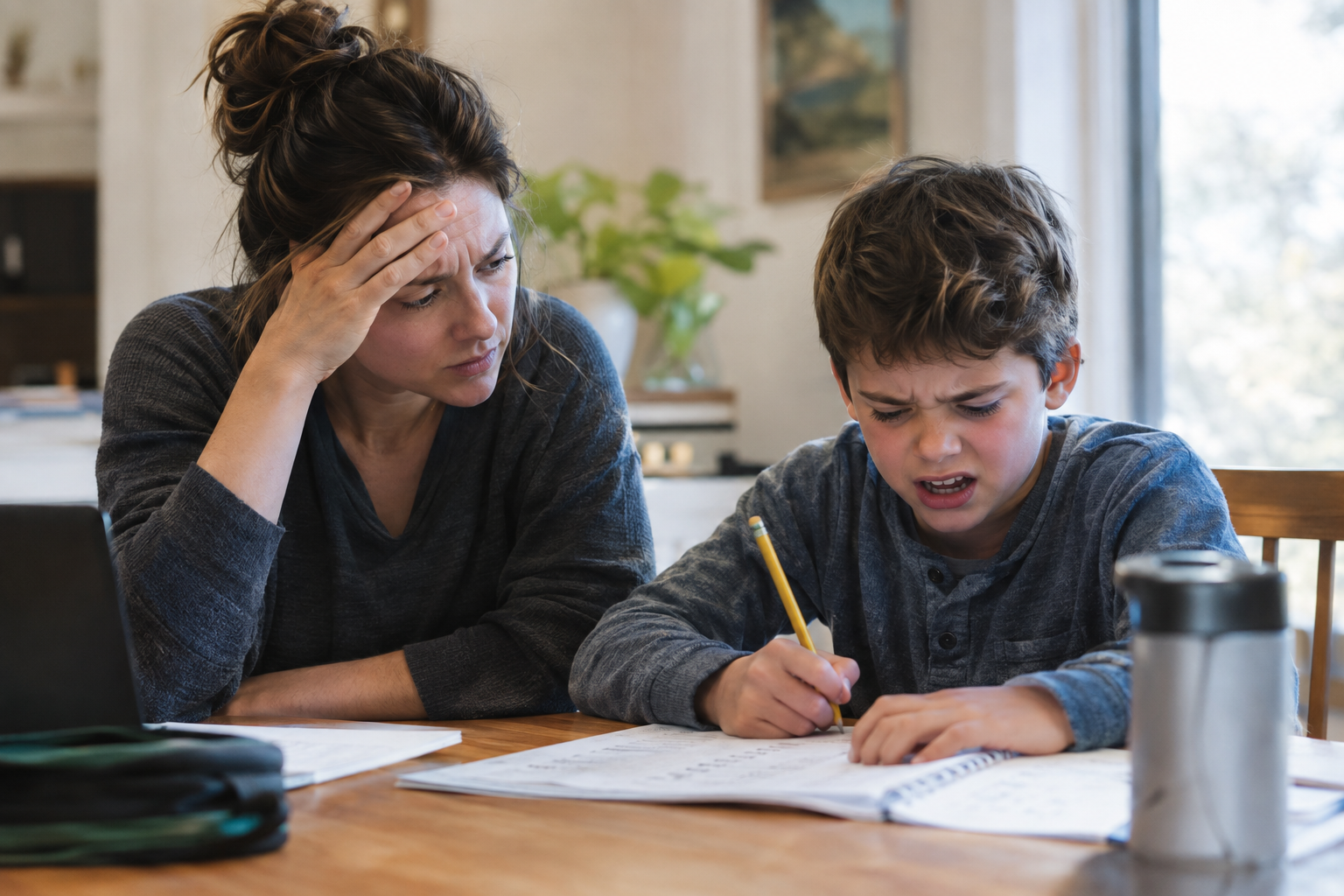
One family I coached was struggling with a school-aged child who regularly resisted getting started with homeschool lessons. Mornings included angry words, frustration, and difficulty transitioning into schoolwork. His parent was trying to create a manageable homeschool routine while also supporting his emotional needs.
You've already made breakfast, gathered the books, and prepared the day's lessons, but your child won't come to the table. You ask them to get started, and they complain, argue, or insist they aren't doing school today. You offer a break, try making the lesson more interesting, or remind them of the schedule, but the resistance continues.
Before you've completed a single lesson, you're frustrated, your child is upset, and the entire morning feels derailed. You begin wondering whether you're expecting too much, whether you need to be firmer, or whether homeschooling is supposed to be this difficult.
And when you're homeschooling, these interactions affect much more than academics. You're spending the rest of the day together, carrying the frustration from one responsibility into the next.
3. Your Child's Anger Is Affecting Your Family's Daily Life
Another family I worked with was navigating intense emotional reactions that included yelling, hurtful statements, and difficult interactions with friends and other caregivers. The parent was working hard to support her child's emotions while also maintaining boundaries and addressing behavior that affected other people.
Perhaps your child screams that they hate you because you've said it's time to leave, becomes furious when a friend doesn't want to play their game, or lashes out when something doesn't go their way. You try to acknowledge their feelings while still holding the boundary, but the situation keeps escalating.
And then there are the moments that happen outside your home. Your child gets upset during a playdate, struggles to share control of a game, or reacts intensely when another adult sets a limit. You're trying to support your child while also navigating the reactions of everyone around you.
Eventually, you start planning your day around the possibility of another outburst. You hesitate before accepting playdate invitations, worry about how your child will respond in public, or find yourself constantly preparing for the next difficult interaction.
You want your child to feel safe expressing anger. You also want to help them develop the skills to navigate disappointment, respect boundaries, and interact safely with others.
4. Your Child's Meltdowns Last 45 Minutes, an Hour, or Even Longer
I coached a family whose child experienced meltdowns lasting two to three hours. These weren't brief moments of frustration. The family was navigating prolonged periods of intense emotional distress that affected their daily routines and left everyone exhausted.
Imagine trying to support your child through that level of distress. You've offered comfort, given them space, stayed nearby, or tried helping them settle, but the meltdown continues. Twenty minutes pass. Then forty-five. Then an hour.
Meanwhile, dinner needs to be made, other responsibilities are waiting, and you're struggling to stay regulated yourself. You want to help your child, but you're running out of energy and ideas. And even after the meltdown ends, you're left feeling drained and worried about when the next one will happen.
During our ongoing coaching work, this family developed new ways of understanding and responding to their child's needs. Over time, they reported that the meltdowns became considerably shorter, sometimes around 45 minutes.
That progress took time and practice. But it also demonstrated how meaningful it was for the family to have support that addressed their specific challenges rather than relying on general advice about managing meltdowns.
5. You've Tried Everything, and You're Still Stuck
This is something I hear from families regularly. You've already tried the sticker charts, consequences, rewards, choices, visual schedules, calming strategies, and connection activities. You've listened to parenting podcasts, followed parenting educators, and tried to be more intentional about how you respond.
And some things have helped! At least for a little while.
But then the same behavior returns.
Your child is still refusing to get dressed, melting down when you hold a boundary, arguing about homeschool lessons, or becoming overwhelmed by everyday frustrations. You're putting so much effort into responding thoughtfully, but you don't feel any more confident about what to do.
You begin questioning yourself. Are you being too permissive? Too strict? Too inconsistent? Are you missing something about your child's development? Do you need to change your expectations or hold firmer boundaries?
You don't need another list of parenting strategies to experiment with. You need guidance that takes your actual child, your family circumstances, and your experiences into account.
So, What Do You Do When You Recognize Your Family in These Stories?
Each of these families came to me with a different challenge. Some were navigating developmentally common behaviors that had become difficult to manage. Others were dealing with intense emotional reactions, daily conflict, or challenges that affected their child's relationships and family routines.
What they shared was a desire to understand their children and feel more confident in how they responded.
And that's exactly why I created the Behavior Blueprint.
The Behavior Blueprint is designed for you if there's one recurring challenging behavior you want to understand and address.
Rather than offering another collection of general parenting strategies, I take an in-depth look at your child's behavior, developmental needs, family circumstances, and your own experiences and responses.
From there, I create a written Blueprint with personalized insights and recommendations to help you address the behavior with greater understanding and confidence.
Here's what's included:
- An in-depth Insight Form so I can understand your child, your family, and the behavior you're experiencing.
- A personalized written Behavior Blueprint with guidance and recommendations specific to your situation.
- A 20-minute follow-up call to discuss your Blueprint and answer questions.
- 14 days of chat support as you begin putting your guidance into practice.
The investment is $97.
My goal is to help you understand what's contributing to the behavior, recognize what your child needs from you, and feel confident in how you respond. You'll walk away with personalized guidance you can begin applying in your everyday interactions with your child.
If you recognized your family in one of these stories, this is exactly the kind of work I do.