Why Does Your Child's Anger Bring Out Something Different in You?
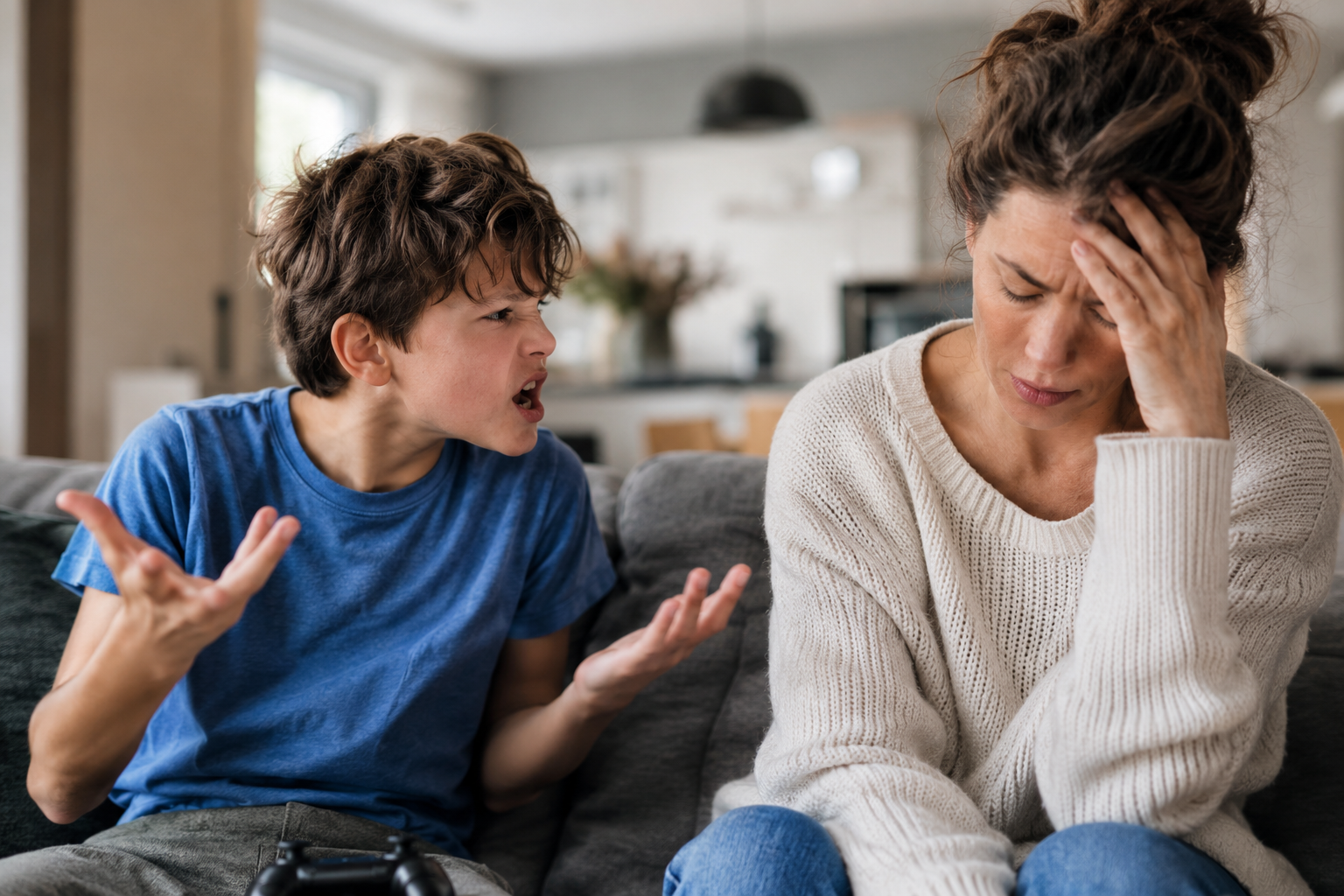
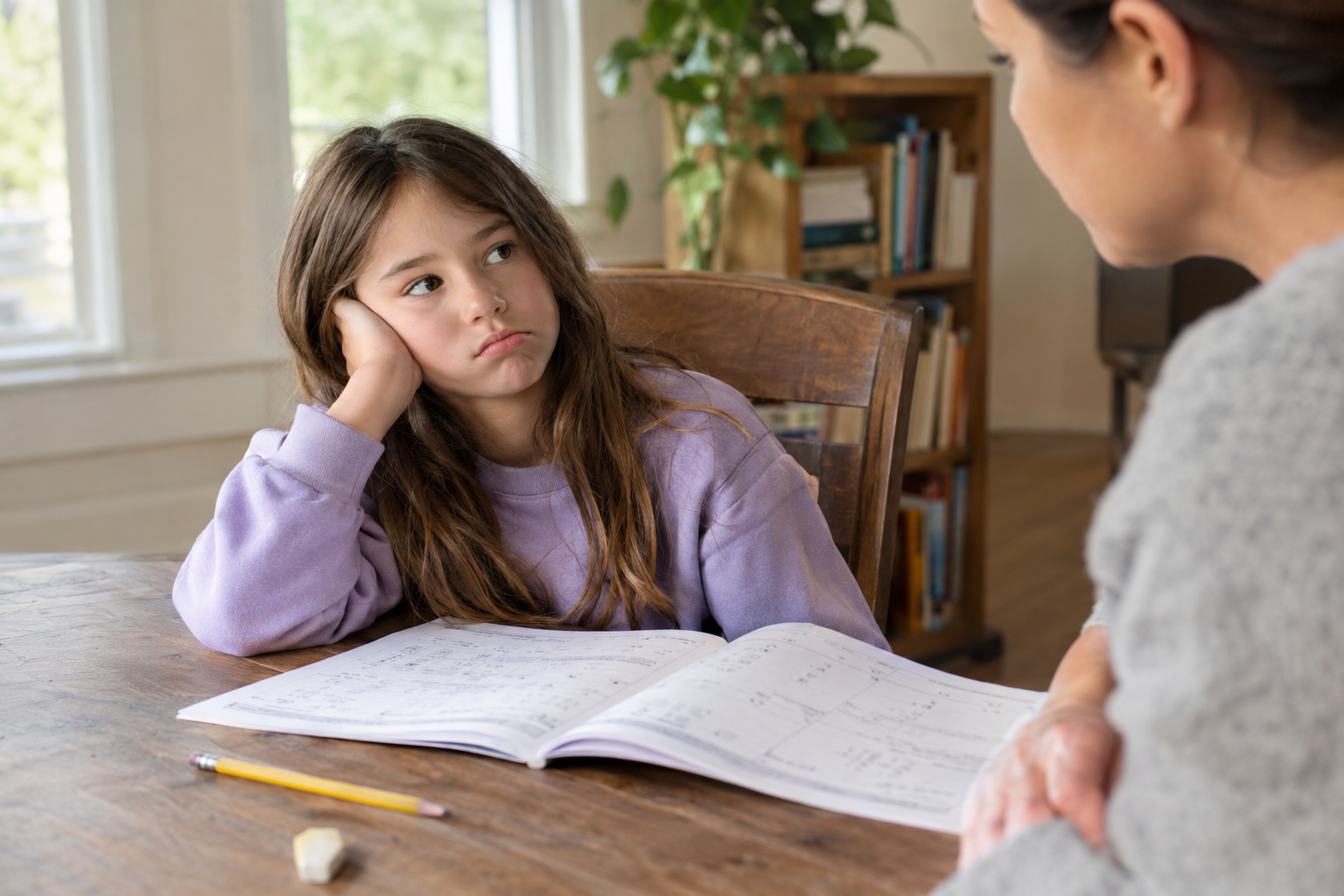
Your child is upset because you said it's time to turn off the video game. They argue, raise their voice, and tell you it's unfair.
You know they're disappointed. You understand that transitions can be hard. You even know that anger is a normal human emotion.
And yet, something about the way they're expressing that anger is getting under your skin.
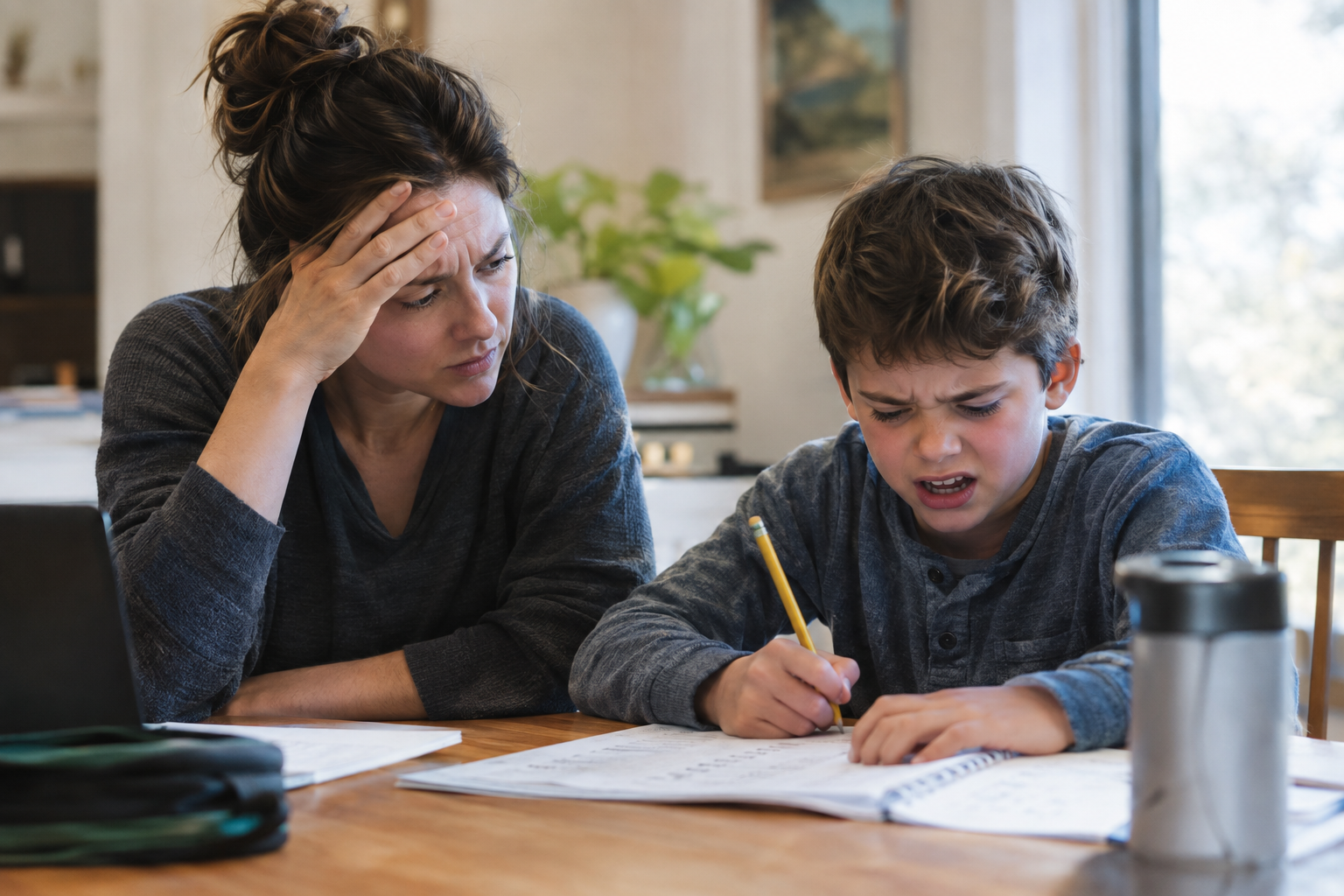
You feel yourself getting irritated. You want to shut the conversation down. Or you start explaining why the limit is reasonable, hoping they'll understand and stop being so upset. Maybe you feel overwhelmed and give up on the conversation altogether.
So why might your child's anger bring out such a strong reaction in you, even when you understand exactly why they're upset?
Part of the answer can be found in the relationship we've developed with anger itself.
What Did You Learn About Anger Growing Up?
Before we became parents, we were children watching the adults around us experience anger.
We learned what happened when someone got upset. We learned whether anger could be expressed openly, whether it led to arguments or punishment, whether people withdrew from each other, and whether there was room to talk about what happened afterward.
Some of us grew up in homes where anger was loud and intimidating. Others grew up in homes where anger wasn't discussed at all. Everyone was expected to move on, stay pleasant, or pretend things were fine.
And some of us learned that expressing dissatisfaction wasn't worth the trouble. It felt easier to keep the peace, accommodate everyone else, and deal with our own feelings privately.
Those experiences can influence what anger feels like to us now.
We can understand intellectually that anger is a normal emotion while still having a strong emotional or physical reaction when someone around us becomes angry.
This becomes particularly important in parenting because our children are going to get angry with us. They're going to disagree with our decisions, protest limits, express frustration, and sometimes say things that are difficult to hear.
Their anger can activate patterns we developed long before they were born.
Three Ways We Can Relate to Anger
In my parent coaching work, I explore three common relationships with anger: flight, fight, and shrink.
These aren't diagnoses or permanent personality types. They're patterns that can help us recognize what we tend to do when anger becomes uncomfortable.
Flight: Getting Away From Anger
Someone with a flight relationship tends to avoid anger, dismiss it, or move away from situations where it might be expressed.
They may say, "I'm fine. It's not a big deal," even when something is bothering them. They may struggle to recognize or express their own needs because they're accustomed to prioritizing everyone else's.
In parenting, flight can show up when our child becomes angry and we immediately try to distract them, cheer them up, explain away their frustration, or get the whole situation over with.
Imagine your child becomes furious because it's time to leave the playground. You understand they're disappointed, but their anger makes you so uncomfortable that you immediately offer a snack, promise another outing, or start explaining all the reasons they shouldn't be upset.
There's nothing inherently wrong with offering comfort, providing information, or helping a child transition. The question is what we're trying to accomplish.
Are we supporting our child through an uncomfortable emotion, or are we trying to make the emotion disappear because we don't know what to do with it?
Some parents with this pattern also withdraw when conflict becomes intense. They go quiet, disengage, or stop communicating because being around anger feels unsafe or exhausting.
Fight: Trying to Control Anger
A fight relationship often involves experiencing anger as intense, physically uncomfortable, or difficult to contain.
This can show up as chronic irritability, feeling constantly on edge, snapping when challenged, or becoming especially reactive when someone doesn't cooperate.
For parents, a child's anger can feel like a challenge to their leadership.
You tell your child it's time to start school, and they yell, "NO! YOU CAN'T MAKE ME!"
Suddenly, your own anger rises. Your body becomes tense, your voice gets louder, and you feel an urgent need to make sure your child understands that you're in charge.
You may find yourself arguing, threatening consequences, or trying to regain control of the interaction.
The expectation that school needs to happen can be completely reasonable. We still have to consider what is happening inside us when our child pushes back.
If their anger makes us feel threatened, disrespected, or out of control, we can begin responding to those experiences rather than thoughtfully deciding what the situation requires.
Shrink: Becoming Small Around Anger
A shrink relationship can develop when anger is associated with helplessness, fear, or powerlessness.
Someone with this pattern may become silent or passive when another person is angry. They may struggle to express dissatisfaction, worry about disappointing people, or feel that their needs and opinions don't matter.
In parenting, this can look like becoming overwhelmed when a child yells, makes demands, or expresses intense anger.
A parent may find themselves backing away from a boundary because the child's reaction feels too difficult to tolerate. They may go quiet and struggle to find their words. They may hold in their own frustration for days or weeks until they eventually reach a breaking point.
And afterward, they may wonder why they couldn't respond the way they intended.
Understanding this pattern gives us an opportunity to explore what anger has come to mean to us, particularly when another person's anger makes us feel powerless.
Your Child's Anger Can Bring Up Your Own Relationship With Anger
Here's where I want us to spend some time.
Your child isn't responsible for the relationship you developed with anger before becoming their parent.
And you aren't expected to magically undo years of learning just because you now understand the pattern.
But recognizing it gives you more information about what's happening during difficult interactions.
If you tend toward flight, you can begin noticing the urge to make your child's anger go away.
If you tend toward fight, you can begin recognizing when your own anger rises alongside theirs and you feel the need to regain control.
If you tend toward shrink, you can begin noticing when another person's anger leaves you feeling small, silent, or unable to express your own needs.
And it's possible to recognize yourself in more than one pattern. You might avoid conflict with one person and become reactive with another. Your response can also change depending on your stress, exhaustion, or the circumstances.
The purpose of recognizing these patterns is to understand what happens inside you so that your reactions don't automatically determine how you parent.
What Are We Teaching Our Children About Anger?
Our children are developing their own relationships with anger, too.
They're learning from how we respond when they're upset, how we express our own frustration, how conflict is handled in our family, and what happens when someone disagrees.
If anger consistently leads to punishment, withdrawal, intimidation, or dismissal, children can begin developing their own ways of protecting themselves from those experiences.
They may learn to hide anger, express it more intensely, or become quiet and compliant when someone else is upset.
Of course, children's emotional responses are also influenced by temperament, development, nervous-system capacity, and many other factors. We can't reduce a child's relationship with anger to a single parenting experience.
But the emotional environment we create matters.
And I want to be clear that allowing anger doesn't mean allowing every behavior that comes with it.
Your child can be furious that screen time is over, and screen time can still be over.
They can be angry with their sibling, and you can still intervene when someone is being hurt.
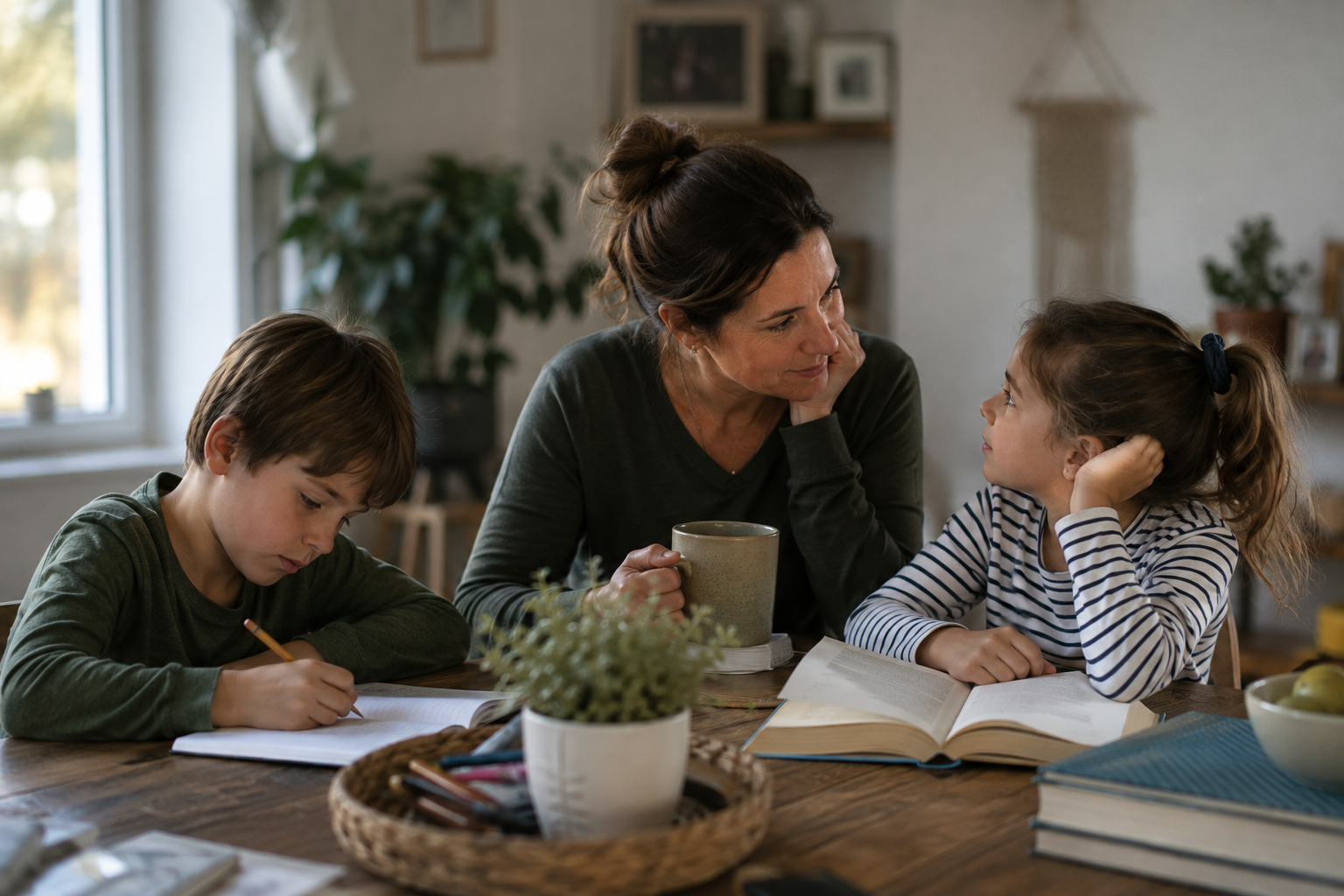
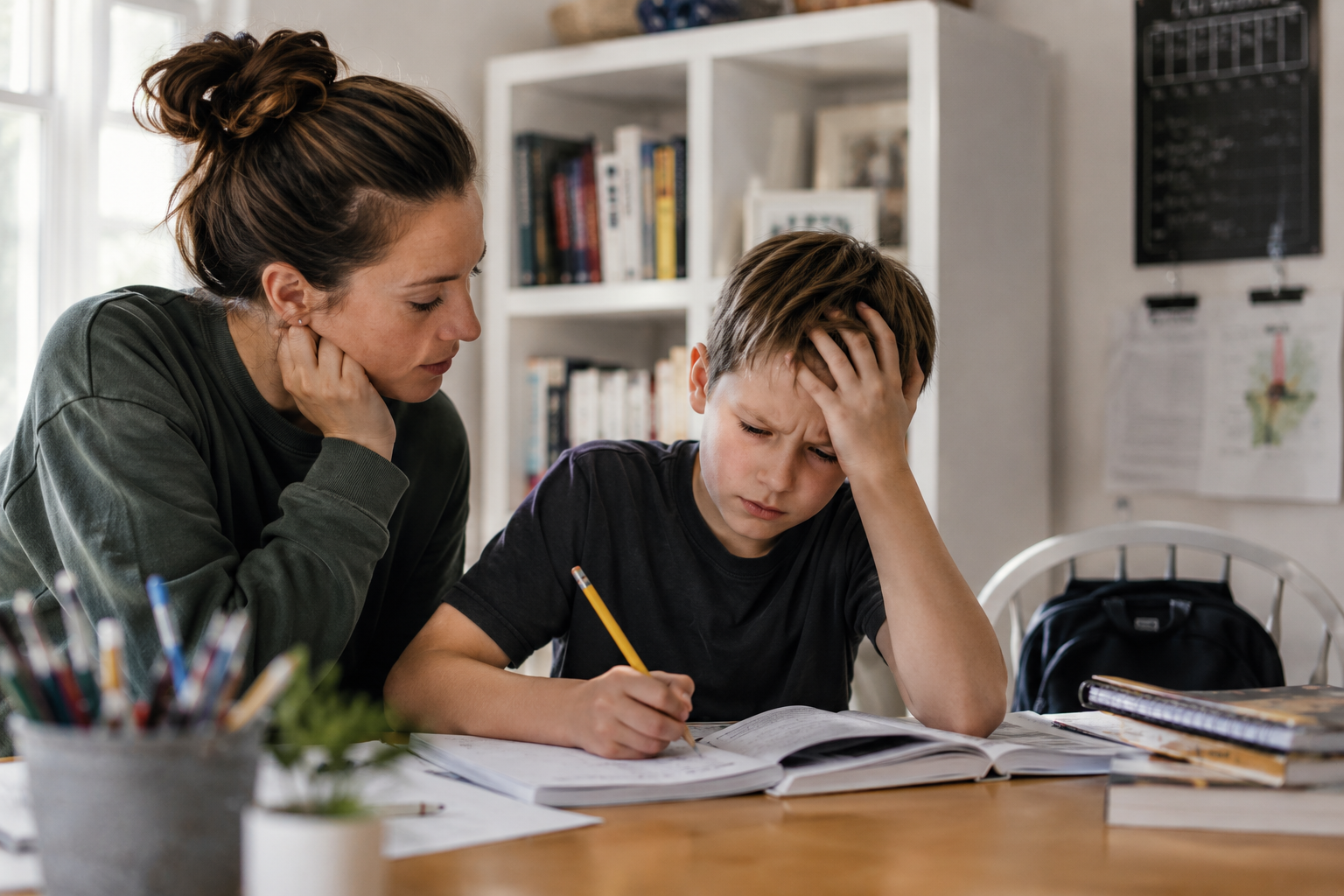
They can disagree with a homeschool expectation, and you can still lead them through what needs to happen.
Anger can exist inside a relationship without becoming something we have to fear, suppress, or control.
Learning a Different Relationship With Anger
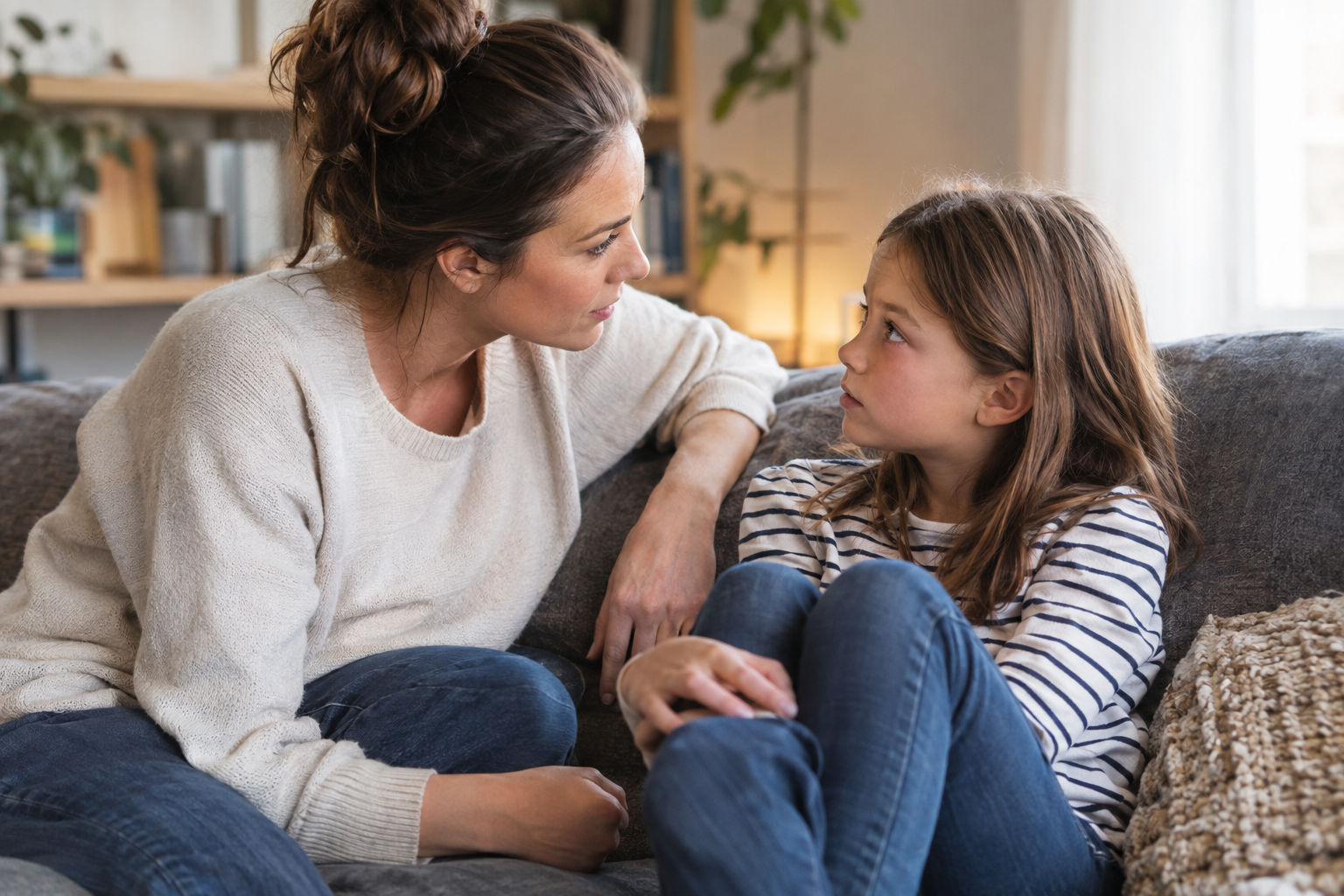
Think about the last time your child became really angry with you.
What happened inside you?
Did you feel an urgent need to make the anger stop? Did you become angry yourself? Did you go quiet or feel overwhelmed?
What did you believe would happen if your child stayed angry?
Those questions can reveal a lot about your relationship with anger and what you may have learned about it growing up.
And when we begin recognizing our own patterns, we can practice responding with more awareness instead of automatically repeating what feels familiar.
Our children will experience anger throughout their lives. They'll be disappointed, frustrated, treated unfairly, challenged, and told no.
We have an opportunity to help them develop a relationship with anger in which they can recognize it, express it safely, understand what it's communicating, and remain connected to themselves and others while they experience it.
That work begins with examining the relationship we have with anger ourselves.
Wondering What's Driving Your Child's Big Behaviors?
Understanding your own relationship with anger is an important part of parenting a child with big emotions.
But you may still be wondering why your child becomes so angry over certain situations, why their reactions are so intense, or why the strategies you've tried haven't made much difference.
That's where my Behavior Blueprint comes in.
I take a personalized look at one of your child's challenging behaviors and explore the patterns, developmental factors, needs, and skills that could be contributing to it. You'll receive a highly personalized, written breakdown with recommendations specific to your child, a follow-up call, and seven days of chat support with me as you begin putting things into practice.