When Your Child's Behavior Starts Affecting Their Everyday Life

You signed your child up for an activity they were excited about. Maybe it was gymnastics, a homeschool co-op, a sports team, or an art class. You hoped they would have fun, make friends, and enjoy something new.
But instead of hearing about what they learned or how much fun they had, you're getting messages about their behavior.
They're interrupting, refusing instructions, pushing boundaries, or struggling to cooperate with the other children. Maybe the instructor has started asking you to stay nearby. Or you've received the dreaded conversation about whether your child can continue participating.
And now you're wondering what to do.
You've talked to your child about expectations. You've explained why their behavior is upsetting other people. You've reminded them to listen, keep their hands to themselves, and follow the rules.'
Your child may even understand exactly what you're saying.
But when they return to that environment, the same problems happen again.
And what started as a concern about behavior is becoming something much bigger.
When Behavior Begins Affecting Your Child's Opportunities
One of the hardest parts of parenting a child with challenging behaviors is watching those challenges begin to affect their experiences.
Maybe your child wants friends but struggles to maintain friendships. They take jokes too far, have difficulty recognizing when another child is uncomfortable, or become upset when other children don't want to play their way.
Perhaps your child loves an extracurricular activity but has trouble following the instructor's directions, waiting their turn, or managing frustration when things don't go as expected.
Or maybe you're beginning to avoid certain activities altogether. You know how quickly an outing can become overwhelming, and you're tired of worrying about what might happen.
These experiences can leave parents feeling embarrassed, discouraged, and concerned about their child's future.
You want your child to have opportunities to participate, build friendships, develop confidence, and experience the world beyond your home.
And you're worried that their behavior is getting in the way.
It's understandable to focus on stopping the behavior when the consequences are becoming so significant.
But there's an important question worth exploring: What is making these expectations difficult for your child to meet?
Your Child May Know the Expectations and Still Struggle to Meet Them
Children can understand a rule without having the skills to follow it consistently, independently, or when they're frustrated.
Think about a child who understands that they need to take turns during a game.
At home, when they're relaxed and playing with a parent, taking turns may come easily. But during a group activity, with several children talking, an exciting game unfolding, and the possibility of losing, that same expectation becomes much harder.
Or consider a child who can repeat the rule about keeping their hands to themselves but becomes physically aggressive when another child interrupts their play.
Knowing the rule hasn't actually given them the skills they need to manage the situation.
We have to consider what else is happening.
Does the child recognize their own frustration before it becomes overwhelming? Can they communicate what they need? Do they have the flexibility to adjust when something unexpected happens? Are they able to manage the sensory demands of the environment? Do they understand the social cues of the children around them?
These questions help us understand why a behavior keeps happening, even when the child has been taught the expectation repeatedly.
They also help us identify where the child needs support.
Sometimes the Behavior Looks Completely Different at Home
Another confusing experience for parents is watching their child behave very differently depending on where they are or who they're with.
You might hear that your child is cooperative and pleasant during a class, only to have them fall apart as soon as they get home.
Or perhaps your child does well with you but struggles when grandparents, instructors, or other adults are responsible for them.
It's tempting to conclude that the child is choosing when to cooperate.
But behavior is influenced by the environment, relationships, expectations, and the resources a child has available in that moment.
A child who holds themselves together throughout a demanding activity may have very little capacity left to manage disappointment or frustration afterward.
Another child may rely heavily on a parent's familiar guidance to navigate expectations. When they're with an adult who communicates differently or expects more independence, they struggle.
These patterns give us useful information.
Instead of assuming the child simply needs firmer consequences, we can examine what changes between environments and what support is helping them succeed in one setting but isn't available in another.
When Everyday Life Becomes a Series of Battles
For some families, the challenges aren't primarily happening outside the home.
They're happening during the ordinary parts of the day.
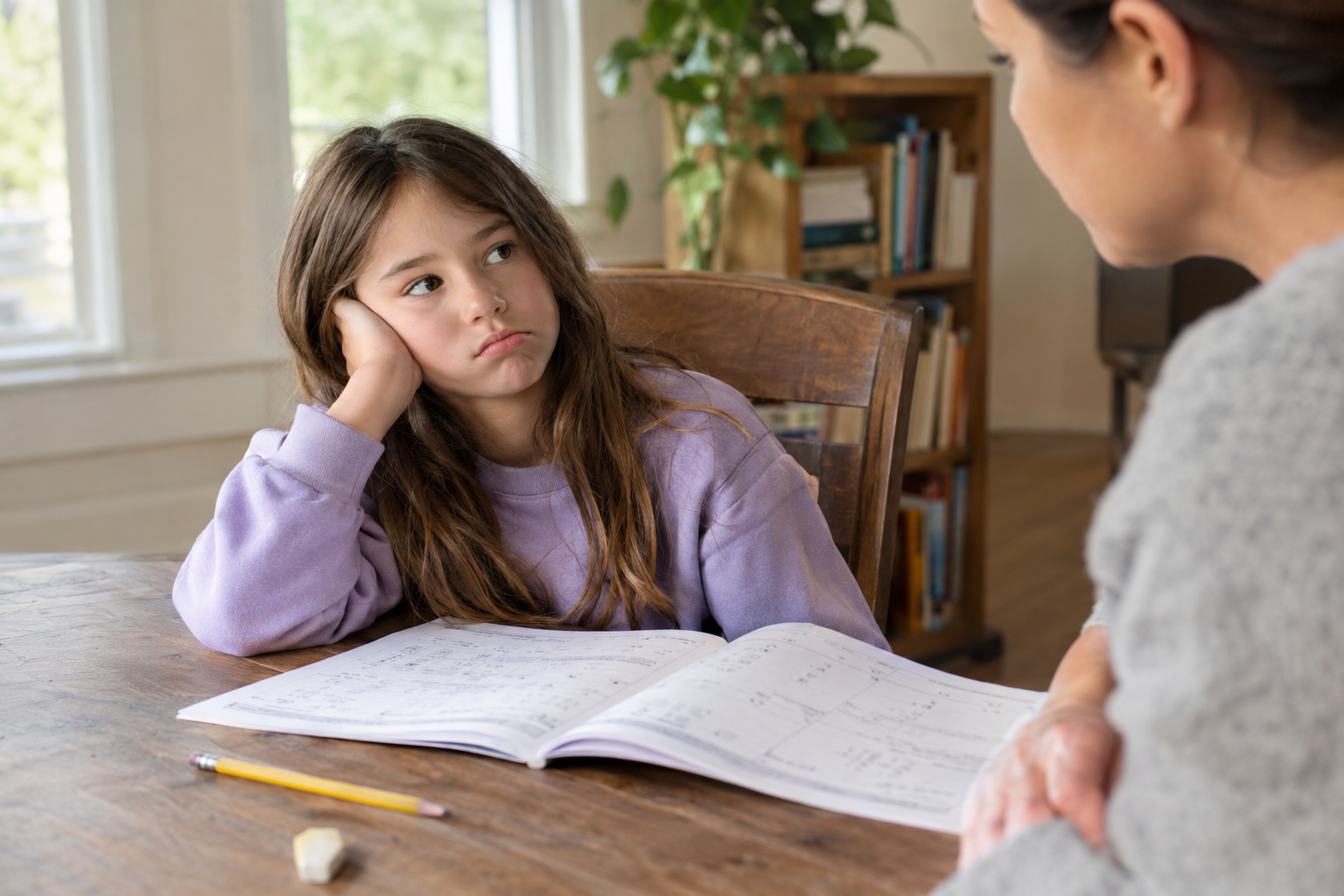
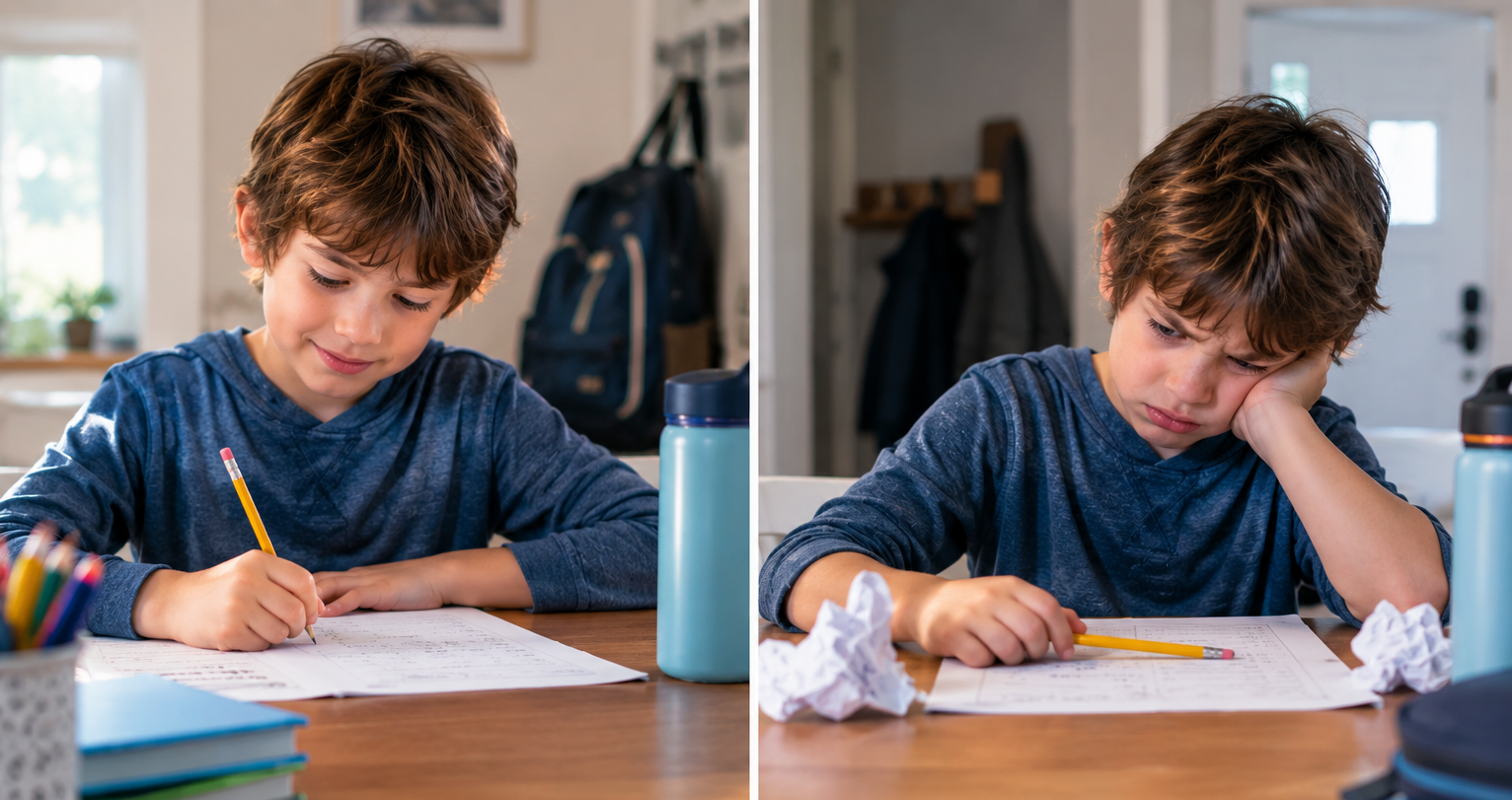
Getting dressed takes 45 minutes. A request to put away toys turns into an argument. Starting homeschool lessons brings tears, yelling, or refusal. Bedtime stretches on for hours because every step becomes another negotiation.
And when your child is upset, the entire household feels it.
You find yourself anticipating their reactions before making a request. You change plans to avoid another meltdown. Siblings become frustrated, and you realize how much of your attention is spent managing one child's behavior.
You may even notice that you're spending more time correcting your child than enjoying them.
The relationship begins to feel dominated by reminders, instructions, and conflict.
Parents in these situations often tell themselves they need to be more consistent, establish better consequences, or find the right motivation.
Consistency and predictable boundaries are important. But when those strategies aren't helping, we need to examine the situation more closely.
What is the child being asked to do? What skills does the task require? What happens immediately before the resistance? How does the parent respond? What patterns have developed between them?
Sometimes a child needs more support with initiating a task, managing a transition, tolerating frustration, or understanding what comes next.
And sometimes the way the family has learned to respond to recurring behavior has unintentionally become part of the cycle.
Understanding those patterns creates opportunities for change.
Your Responses Are Part of the Picture, Too
When challenging behavior happens repeatedly, parents develop their own responses.
You may begin a difficult interaction calmly, determined to handle things differently.
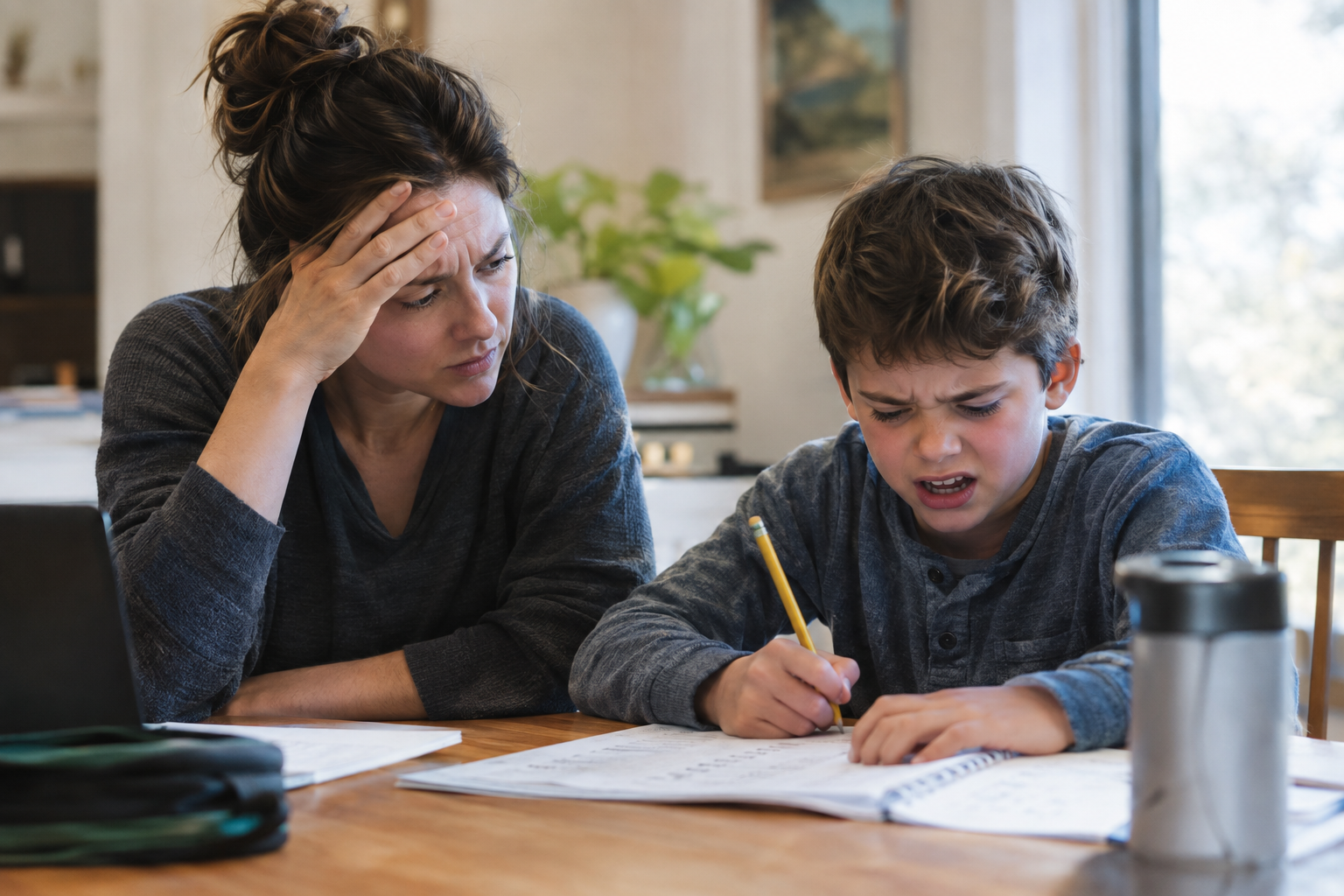
You give an instruction. Your child argues. You explain why the instruction matters. They become louder. You repeat yourself, add a warning, and eventually raise your voice.
By the end, everyone is upset.
You didn't want the interaction to go that way. In fact, you may have spent the entire morning telling yourself you would stay calm.
But in the middle of a familiar conflict, you found yourself responding the same way you always do.
This is one reason I look at the parent's experience alongside the child's behavior.
Your expectations, emotional responses, beliefs about discipline, and experiences with your child all influence how these interactions unfold.
For example, when a child refuses to cooperate in public, a parent may feel embarrassed or worried that other adults think they're failing to establish boundaries.
That pressure can change how they respond.
Or a parent who has experienced repeated aggression may begin anticipating danger even before the child becomes upset.
These responses are worth understanding, too.
The goal is to help parents recognize their patterns, respond with greater confidence, and maintain the boundaries their children need.
What Happens When You've Already Tried Everything?
By the time many parents seek individualized support, they've already tried a long list of strategies.
They've taken away privileges, created reward charts, offered choices, explained expectations, established routines, and searched for advice.
Some strategies worked briefly. Others made things worse. And some seemed helpful in one situation but completely ineffective in another.
Parents may also be researching ADHD, autism, anxiety, or other developmental differences, wondering whether something they're missing could explain the behavior.
All of that information can be overwhelming when you're trying to figure out what actually applies to your child.
The challenge is that two children can display the same behavior for very different reasons.
Two children may both refuse to start a homeschool lesson. One may struggle with task initiation and organization. Another may be overwhelmed by the difficulty of the work. A third may be anticipating conflict based on previous experiences.
Each child needs a response that addresses what's contributing to their particular difficulty.
A generic strategy may help one child while doing very little for another.
This is why understanding the behavior needs to come before deciding how to respond.
You Don't Have to Keep Guessing What to Try Next
When your child's behavior is affecting their friendships, participation in activities, family routines, or relationships, it's worth taking a closer look.
You can continue to hold boundaries and teach expectations while investigating why those expectations are so difficult for your child to meet.
And you can receive support that considers your experience as a parent, too.
That's exactly why I created the Behavior Blueprint.
The Behavior Blueprint is a personalized, $97 service designed to help you understand and respond to one recurring challenging behavior.
We start with an in-depth Insight Form where you share what's happening with your child, what you've already tried, what concerns you, and how the behavior is affecting your family.
I examine the behavior through the lens of child development, emotional regulation, expectations, environment, family dynamics, and your own responses as a parent.
From there, I create a personalized written Blueprint with practical recommendations and a clear direction for moving forward.
You'll also receive a 20-minute follow-up call and 14 days of direct chat and voice-message support with me as you begin applying your plan.
If you're tired of responding to the same behavior without understanding why it keeps happening, your next step can be a closer look instead of another consequence or strategy.
Explore the Behavior Blueprint and get personalized guidance for your child and family.
For Florida homeschool families, my services are approved for Direct Pay through eligible Step Up for Students scholarships.