Why Play Matters More Than We Think
Somewhere between childhood and adulthood, many of us stopped believing that play was important.
We learned that productivity mattered. Being responsible mattered. Getting things done mattered. Play slowly became something we associated with free time, vacations, or the reward that came after the real work was finished.
Then we became parents.
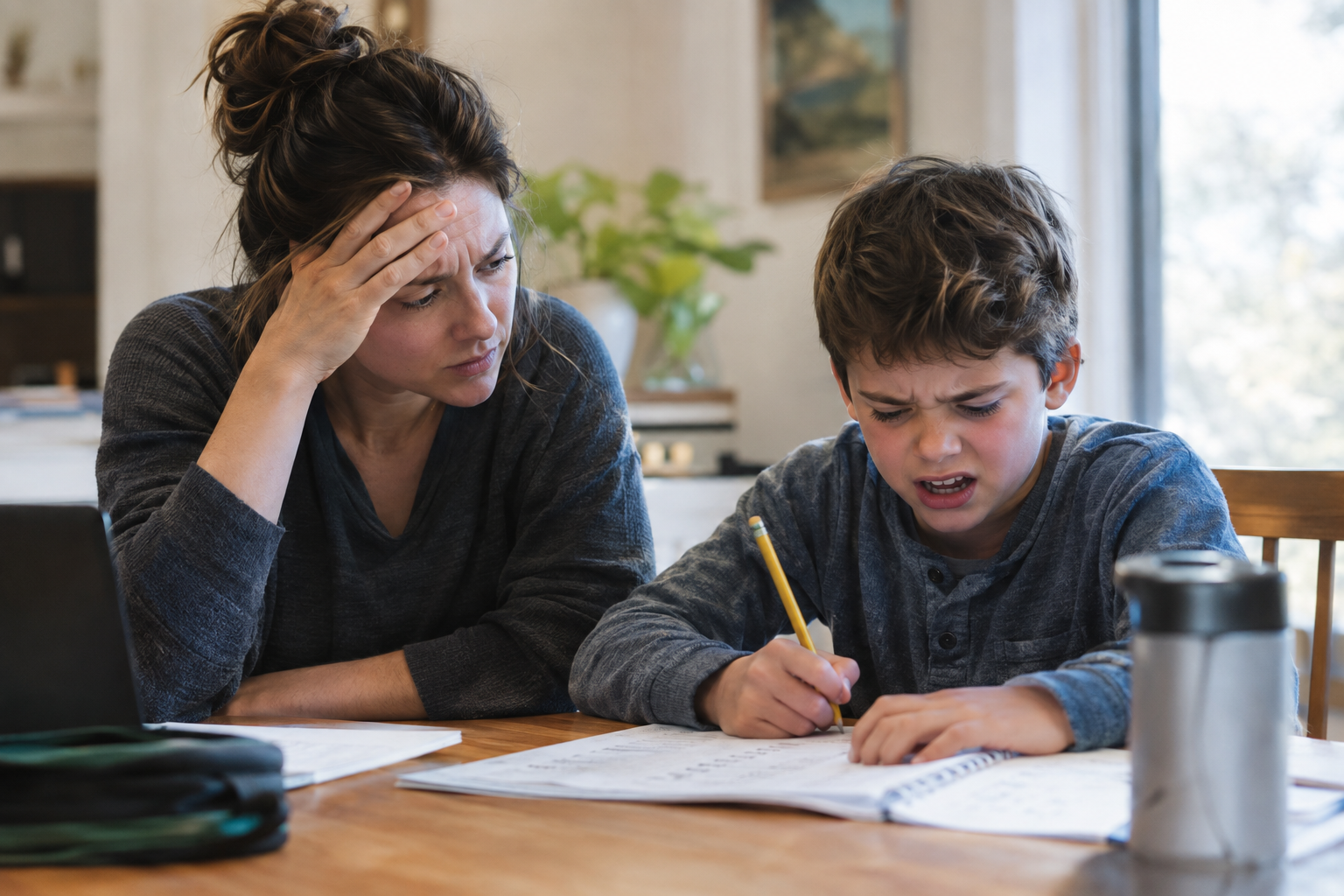
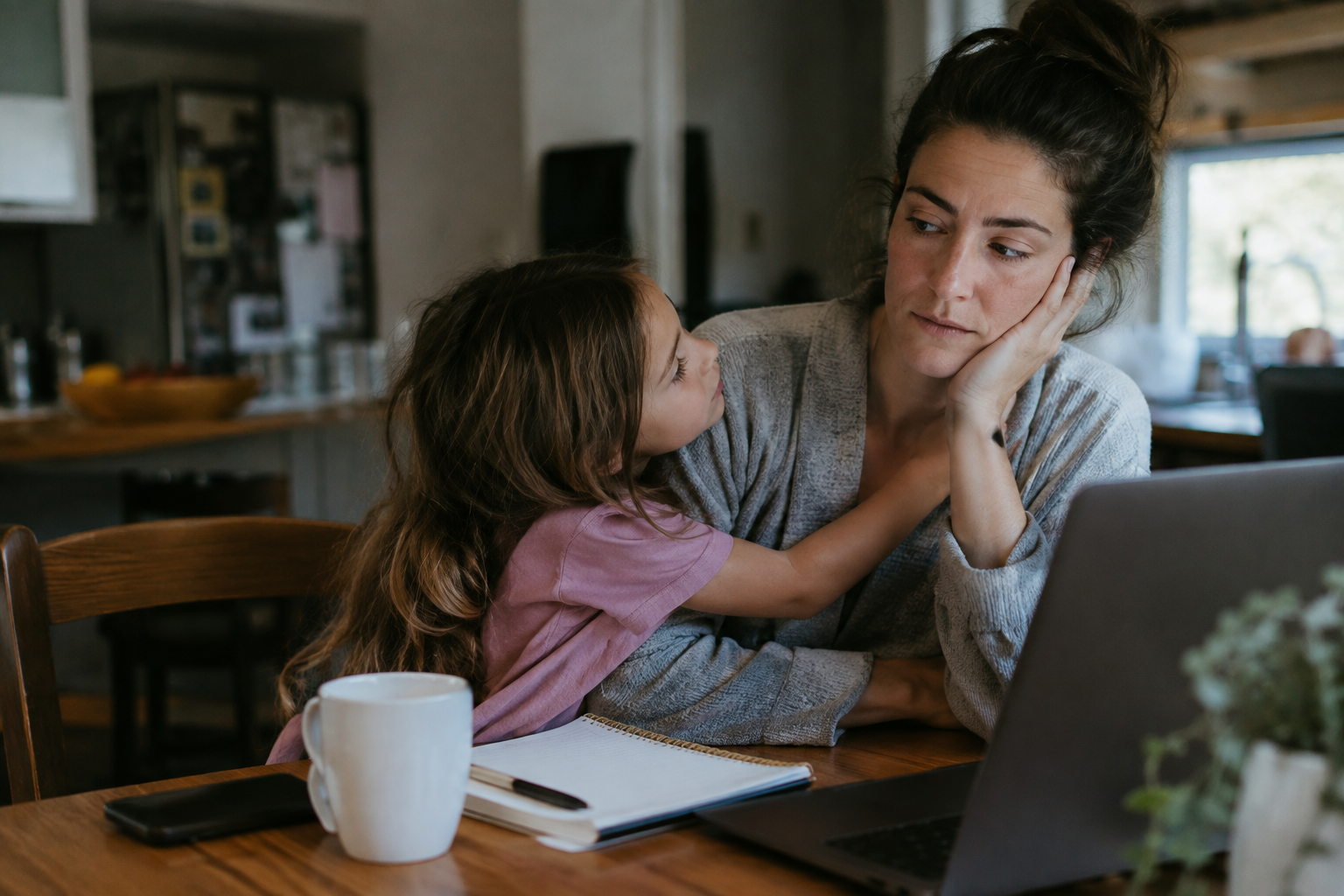
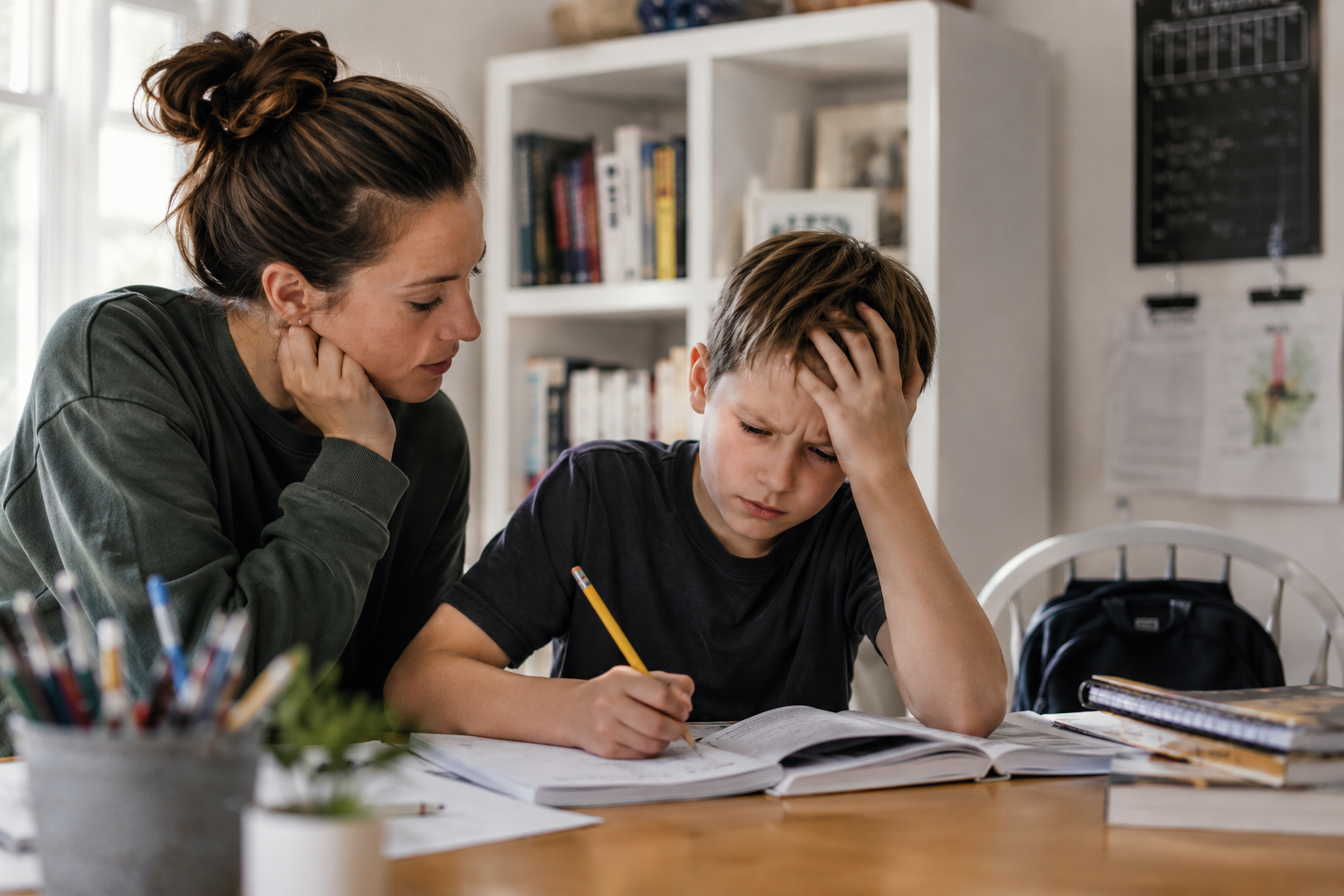
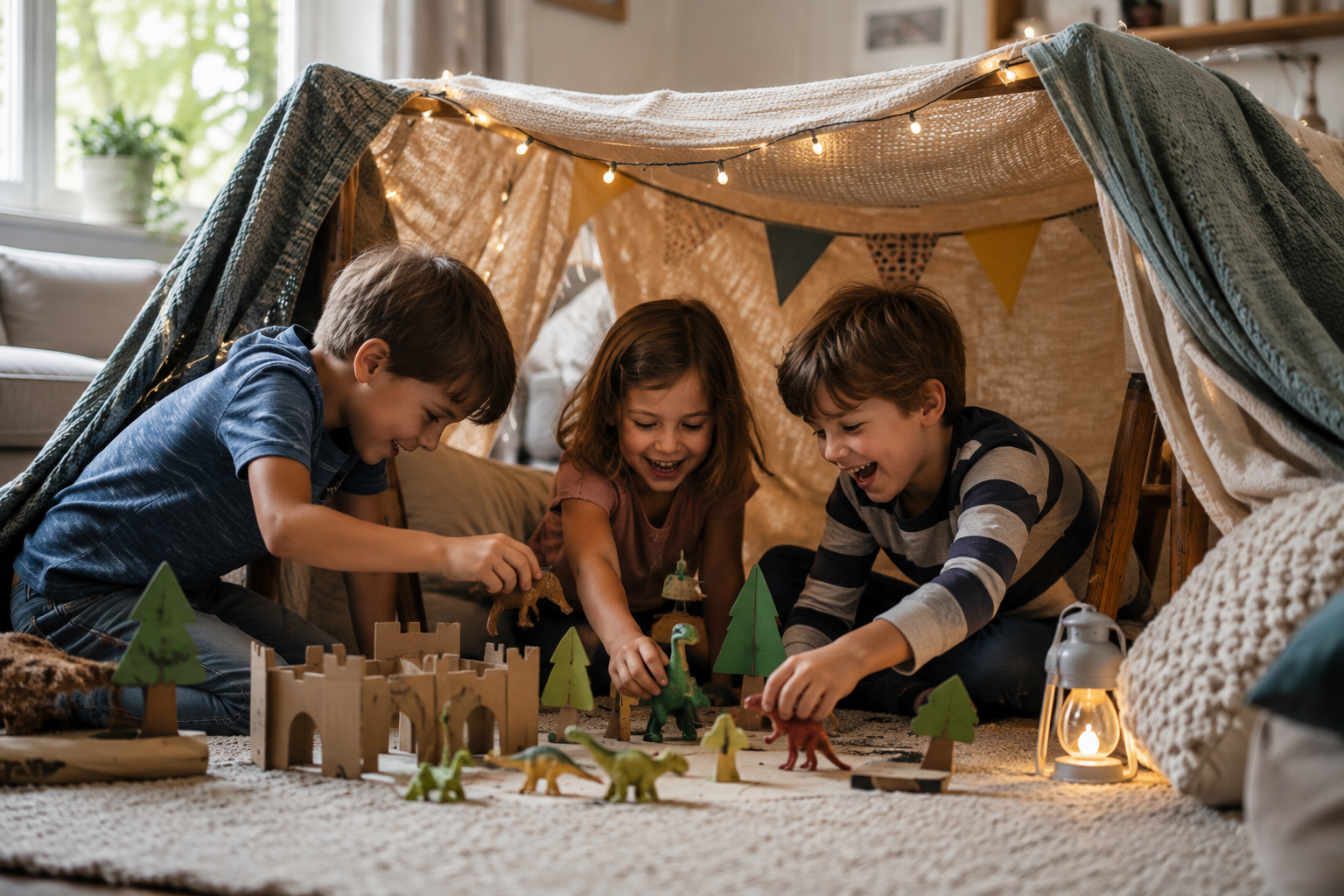
Now we're raising children who naturally want to build forts, invent games, chase butterflies, tell elaborate stories, and laugh until their stomachs hurt; all while we're trying to finish the math lesson, answer emails, fold laundry, and remember what's for dinner.
It's no wonder play often gets pushed to the bottom of the list.
But the more I've learned about child development, the more convinced I've become that play isn't a distraction from healthy development.
It is healthy development.
Play Is How Children Learn
When we think about learning, it's easy to picture workbooks, reading lessons, science experiments, or math facts.
Those things certainly have value.
But children are also learning when they're pretending to run a restaurant, building an obstacle course in the backyard, creating imaginary worlds with stuffed animals, or laughing through a made-up game that only makes sense to them.
During play, children practice problem-solving, creativity, flexibility, communication, emotional regulation, and perspective-taking. They experiment with ideas, work through disappointments, negotiate rules, and build confidence in ways that are difficult to recreate through direct instruction.
Play isn't the opposite of learning.
It's one of the ways learning happens.
Why Play Gets Hard for Adults
If you've ever found yourself watching your child play while mentally running through your to-do list, you're not alone.
Most parents aren't avoiding play because they don't love their children.
They're avoiding play because they're carrying so much.
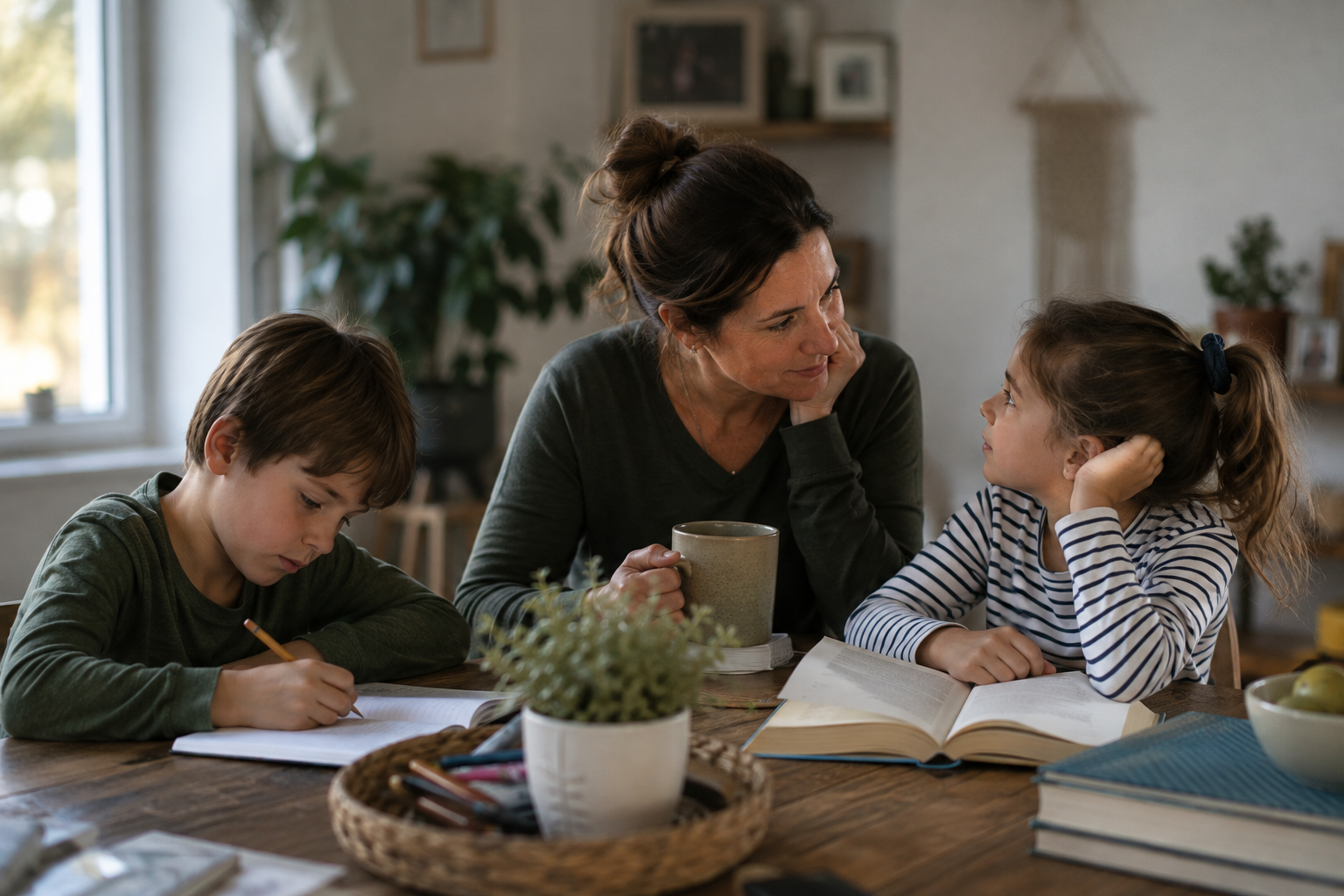
The mental load of parenting can make it difficult to slow down enough to be playful. Homeschool parents especially are often balancing academics, household responsibilities, activities, appointments, meals, and the emotional needs of everyone in the family.
Sometimes we're simply tired.
Other times, play feels uncomfortable because it wasn't something we experienced very much ourselves.
Maybe your childhood was filled with pressure to perform, contribute, or grow up quickly. Maybe adults rarely entered your world of imagination, or maybe being silly wasn't encouraged.
Without realizing it, we can begin believing that play is something children do while adults supervise.
But children aren't just inviting us to watch.
They're inviting us into their world.
Why Play Strengthens Connection
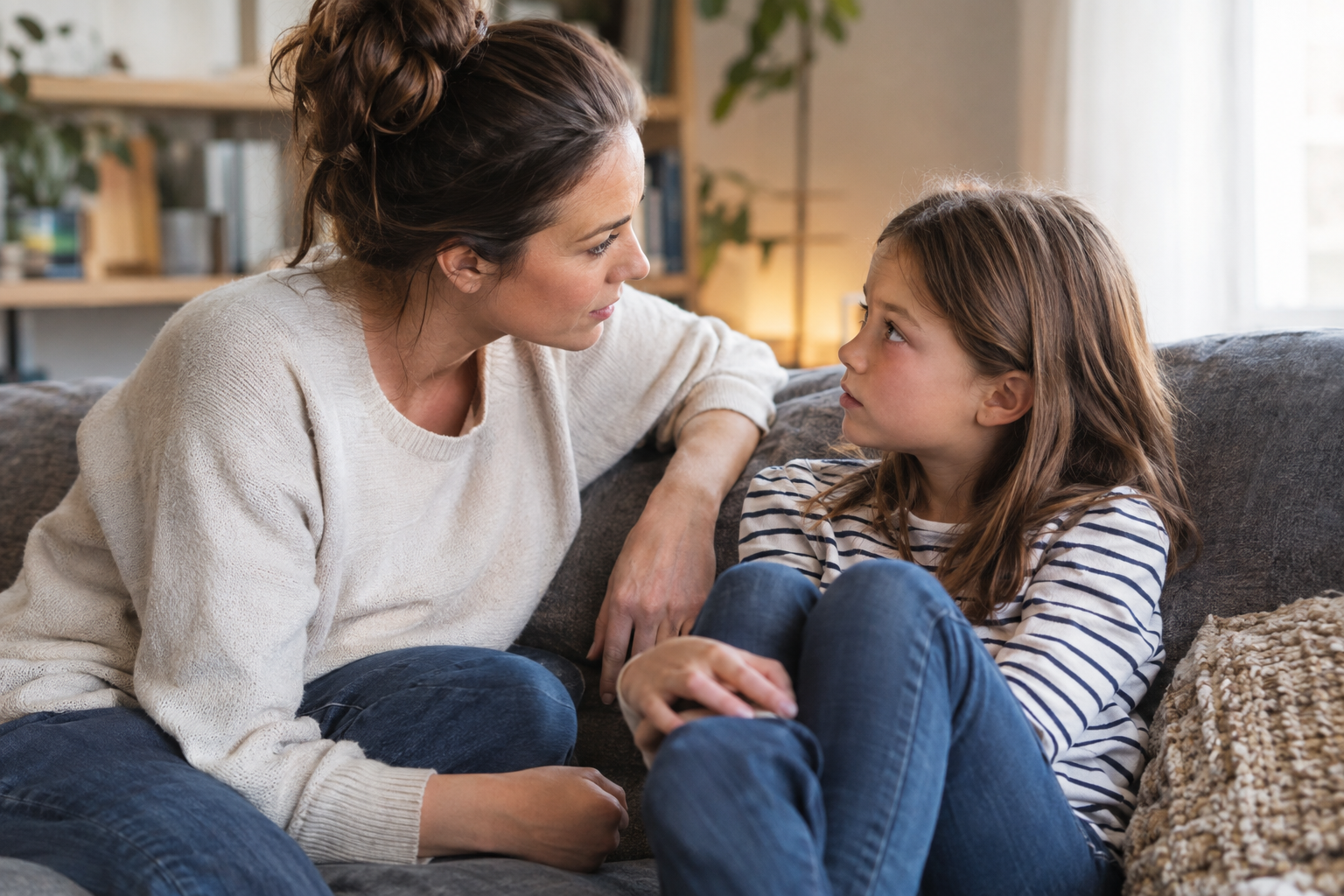
One of the things I love most about play is that it changes the relationship.
When we enter our child's world instead of asking them to enter ours, something shifts.
For a little while, we're no longer the parent reminding them to finish math, brush their teeth, or clean their room.
We're simply together.
That shared joy builds trust.
It creates moments of delight that become part of the emotional foundation of the relationship.
And perhaps most importantly for children with big behaviors, play often creates safety.
When children feel safe, understood, and connected, they're more likely to cooperate, recover from disappointment, and trust our leadership.
Play doesn't replace boundaries.
It strengthens the relationship that makes boundaries easier to receive.
Reclaiming Play
I don't think the goal is for parents to become entertainers.
Your child doesn't need you to perform for hours every day.
Sometimes play looks like saying yes to one more round of Uno even though it’s late.
Maybe it's building Legos together for fifteen minutes.
It could be laughing together over something completely ridiculous.
Or it's letting your child explain the complicated rules of the game they just invented and just going with it.
Those moments matter more than we often realize because they remind both us and our children that our relationship isn't built only through correction, teaching, and responsibility.
It's also built through delight.
As adults, many of us have forgotten how to play.
Children have a remarkable way of inviting us to remember.
And maybe that's one of the unexpected gifts of parenting.
Not just that we teach our children about the world, but that they quietly teach us how to experience it with a little more curiosity, creativity, and joy again.