Empathy Is Easiest When Children Are Easy to Understand

I think empathy is one of the most misunderstood concepts in parenting.
Most parents hear the word empathy and immediately think of being kind, understanding, and supportive. They imagine sitting with a child who is sad, comforting a child who is scared, or helping a child through a difficult experience.
And for the most part, that's exactly what empathy is.
The challenge is that empathy is easiest when our children's emotions make sense to us.
When your child is heartbroken because a pet dies, empathy comes naturally. When they're nervous about a new activity, most of us can immediately connect with what they're feeling. We remember what it feels like to be scared, disappointed, embarrassed, or uncertain, so it's easy to meet those moments with compassion.
But parenting children with big behaviors often puts us in situations where the behavior doesn't make sense from our adult perspective.
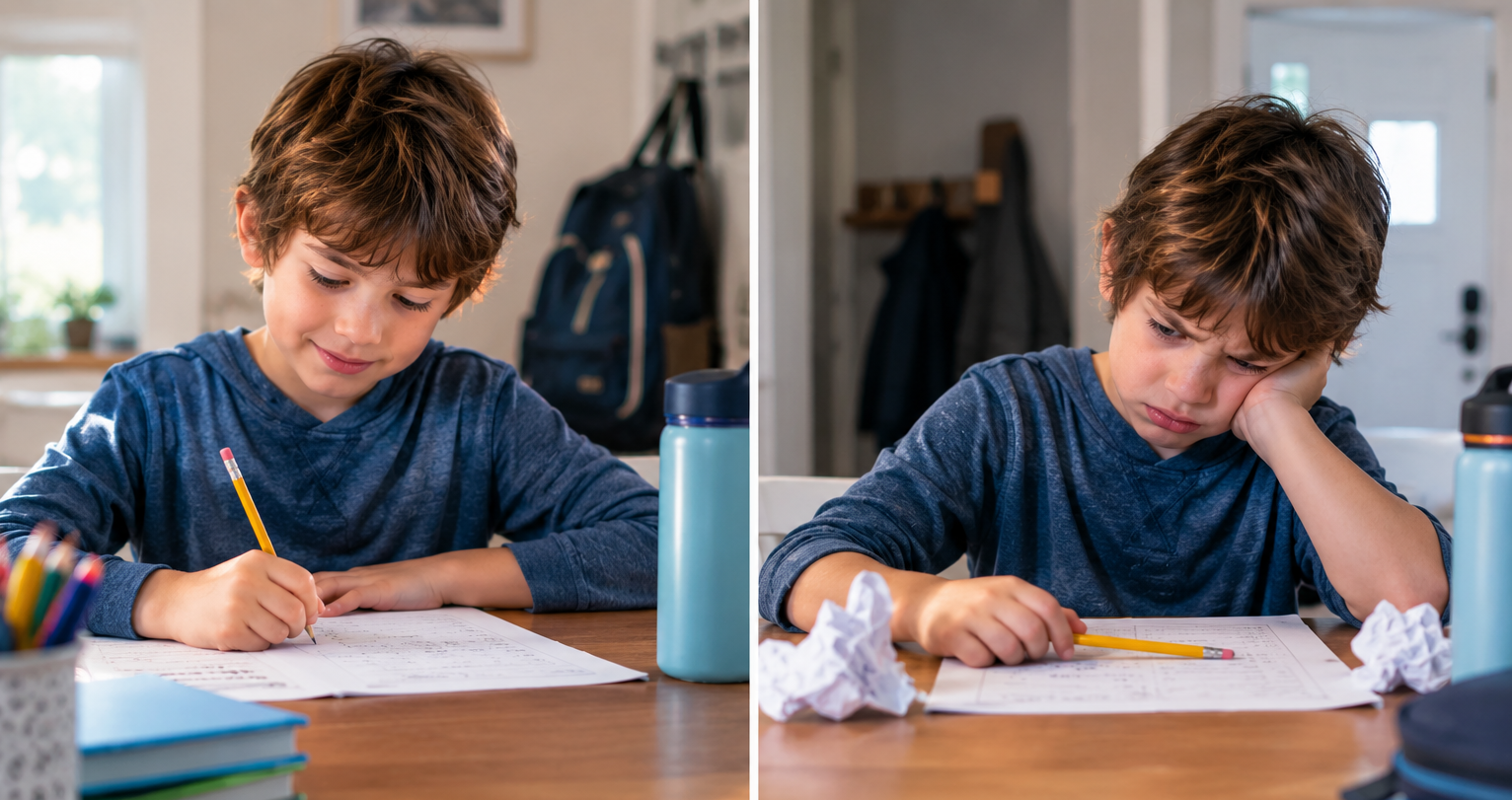
Your child melts down because you cut the sandwich wrong. They argue about brushing their teeth. They refuse schoolwork they successfully completed yesterday. They become furious because it's time to leave the park or completely shut down when something doesn't go the way they expected.
Those are the moments when empathy becomes much harder.
Not because you're a bad parent.
Not because you don't care.
But because it's difficult to understand an experience that feels irrational from the outside.
Why Empathy Feels So Hard Sometimes
When behavior doesn't make sense, frustration moves in quickly. We start asking ourselves questions like, "Why are they making such a big deal out of this?" or "Why can't they just move on?" Sometimes we become so focused on the behavior that we stop wondering about the experience behind it.
And if we're being honest, sometimes we're simply exhausted.
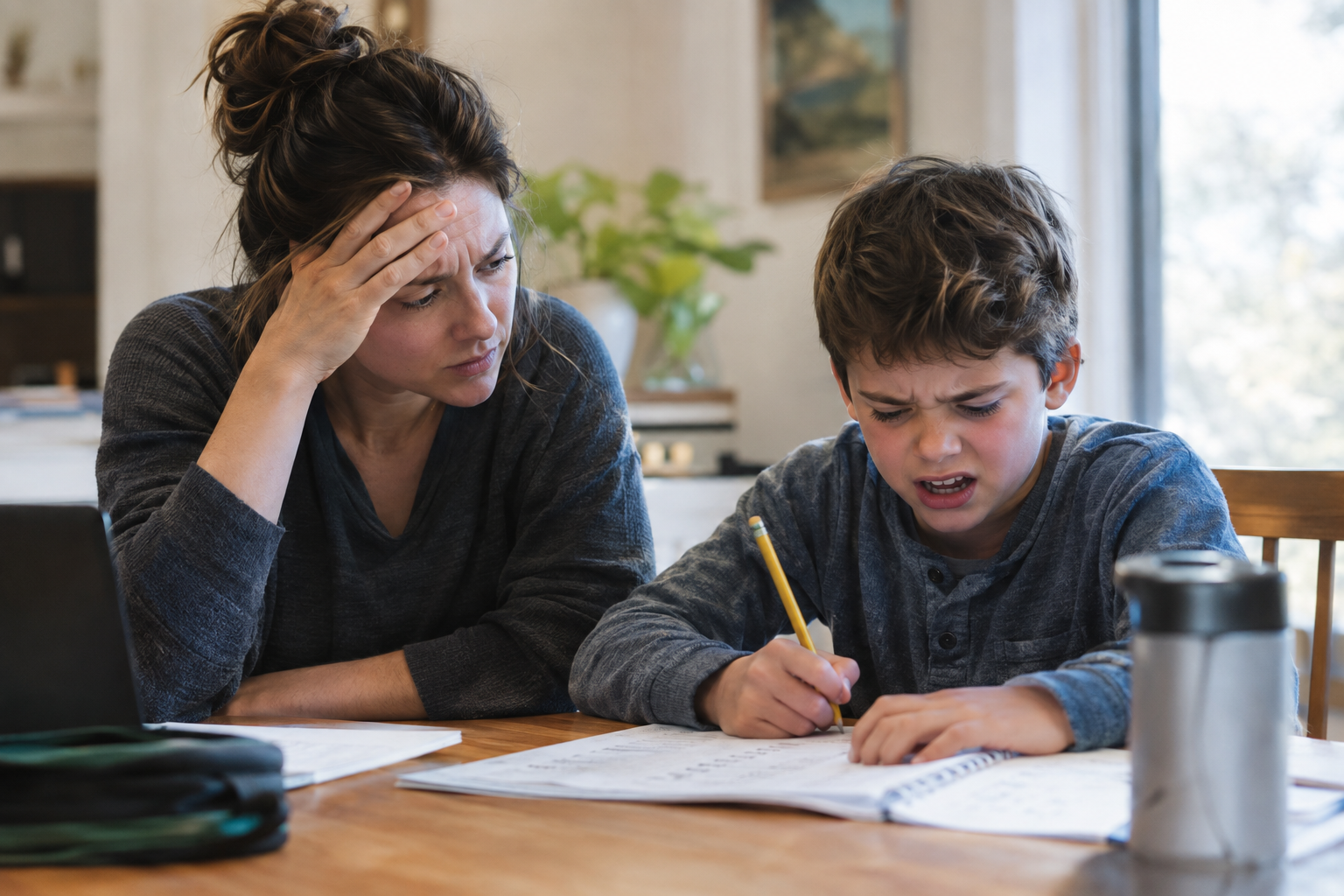
After the fourth argument of the day, the third refusal to start schoolwork, or another emotional explosion over something that feels small, empathy can feel very far away. Most parents aren't struggling because they don't care about their children. They're struggling because they're tired, overwhelmed, and trying to hold everything together.
That's one of the reasons I think empathy gets misunderstood.
Many people talk about empathy as though it's something parents either have or don't have. But in reality, empathy is often a choice to remain curious when judgment would be easier.
The Question That Changes Everything
One of my favorite questions to ask is:
"What might make this make sense from my child's perspective?"
I love that question because it immediately shifts the conversation.
Instead of assuming we already know why a child is behaving a certain way, we become curious.
Maybe the child refusing math isn't lazy. Maybe they're terrified of making a mistake.
Maybe the child arguing about every request isn't trying to control the family. Maybe they're feeling powerless and looking for some sense of control.
Maybe the child melting down over something small isn't reacting to that moment at all. Maybe they've been carrying frustration, overwhelm, or disappointment for hours and simply reached their limit.
The truth is that we don't always know what's underneath the behavior.
But asking the question changes how we show up.
Curiosity slows us down. It creates space between the behavior we see and the assumptions we make about it. And often, that space allows us to respond with far more wisdom than we would have if we'd reacted immediately.
Why This Matters So Much for Homeschool Parents
We spend more time with our children than almost anyone else. We see the schoolwork struggles, the sibling conflicts, the difficult transitions, the emotional crashes, and the frustrations that build throughout the day.
Because we're present for so much of it, it's easy to become hyper-focused on what needs to change.
The arguing needs to stop.
The resistance needs to stop.
The meltdowns need to stop.
And while those desires are completely understandable, they can sometimes pull our attention away from the child underneath the behavior.
Empathy helps us return to that child.
It reminds us that behavior is only part of the story. There is always a human being underneath it. A child with fears, hopes, frustrations, insecurities, and experiences that may not be visible from the outside.
That doesn't mean behavior doesn't matter.
It doesn't mean boundaries disappear.
It doesn't mean we stop leading.
Empathy is not agreement, and it isn't permissiveness.
Empathy simply allows us to understand before we respond.
And in my experience, that's often where meaningful change begins.
Because when children feel understood, they become more open to connection. And when connection grows, influence usually grows right alongside it.
That's why empathy matters so much.
Not because it solves every behavior problem.
But because it helps us remember that beneath every difficult behavior is still a child who needs us to see them.